Transition of Power
On March 9, 2026, Iran witnessed a pivotal moment in its political landscape with the appointment of Mojtaba Khamenei as the new iranian supreme leader. This transition came in the wake of the tragic death of his father, Ali Khamenei, who had served as the supreme leader for decades and was killed in US-Israeli strikes. Prior to this development, there was a prevailing expectation that Iran would navigate its leadership challenges through established political figures, but the sudden loss of Ali Khamenei shifted the dynamics significantly.
Decisive Moment
Mojtaba Khamenei, who had never held a formal position in government before his appointment, is viewed as a hardliner with strong ties to the Islamic Revolutionary Guard Corps (IRGC). His ascension was interpreted as a sign of continuity for Iran amid a major crisis, suggesting that the ruling elite aimed to maintain stability in turbulent times. Following his appointment, he received immediate backing from IRGC leaders and other political figures, reinforcing the notion of a unified front within the Iranian leadership.
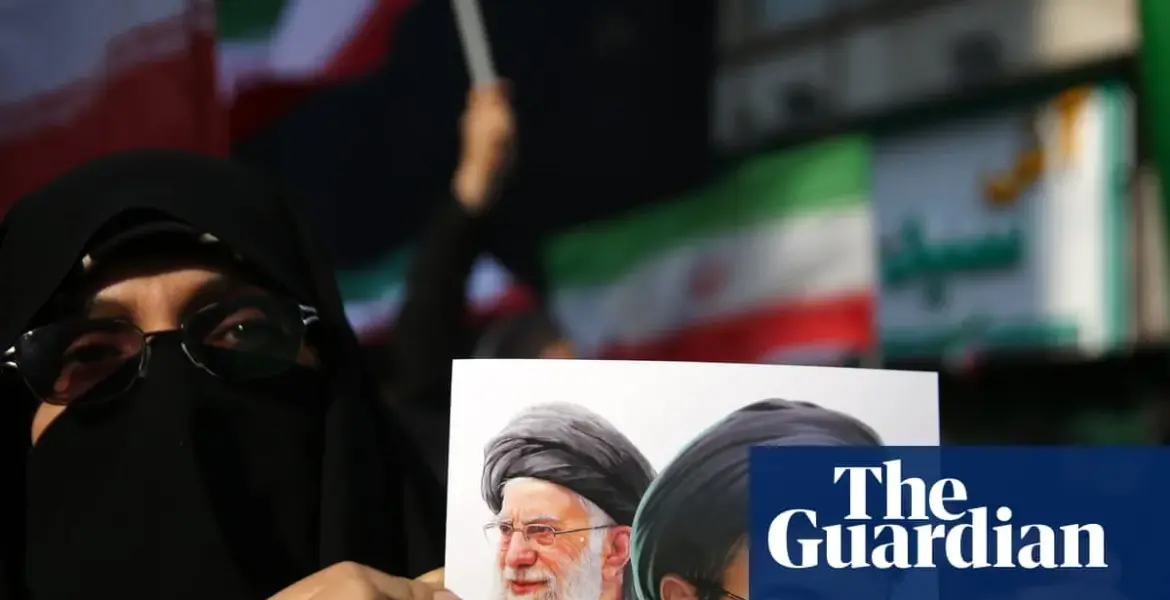
The response to Khamenei’s appointment was swift and varied. Crowds in Tehran expressed their support, proclaiming, “God’s hand is still upon us, Khamenei is still our leader.” This sentiment reflects a significant segment of the population that views the new leader as a continuation of the revolutionary legacy established by Ruhollah Khomeini. In contrast, international reactions were mixed; US President Donald Trump dismissed Khamenei as a “lightweight,” while Russian President Vladimir Putin pledged “unwavering support” for Iran, indicating a potential strengthening of ties between the two nations.
Regional Implications
The appointment of Mojtaba Khamenei also drew attention from neighboring countries. Oman‘s Sultan sent a congratulatory message, and Iraqi Prime Minister Mohammed Shia al-Sudani expressed confidence in Khamenei’s leadership, suggesting that regional allies are keen to maintain their relationships with Iran during this transitional phase. Additionally, Yemen’s Houthis welcomed Khamenei’s appointment as a victory for the Islamic Revolution, highlighting the broader implications for Iran’s influence in the region.
Expert Perspectives
Experts have noted that Mojtaba Khamenei’s leadership style may differ from that of his father. Ezzatollah Zarghami described him as a proponent of dialogue and listening to others’ voices, emphasizing his humility in personal interactions. However, the hardline stance he is known for raises questions about how he will navigate the complex political landscape within Iran and its relationships abroad.
Uncertainties Ahead
Despite the initial support and optimism surrounding Mojtaba Khamenei’s leadership, uncertainties loom. Details remain unconfirmed regarding his physical and emotional health following personal losses, as well as how he will relate to other centers of power within Iran. The coming months will be critical in determining the direction of Iranian politics under his leadership.
The appointment of Mojtaba Khamenei as the new iranian supreme leader marks a significant turning point for Iran, reflecting both continuity and change in its leadership. As the nation grapples with internal and external challenges, the implications of this transition will unfold in the months to come.
You may also like