Impact of Recent Developments
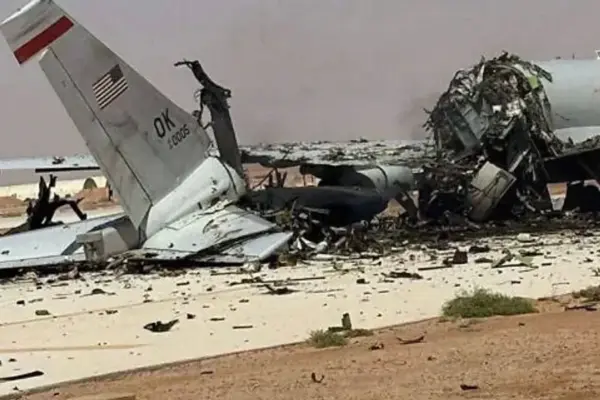
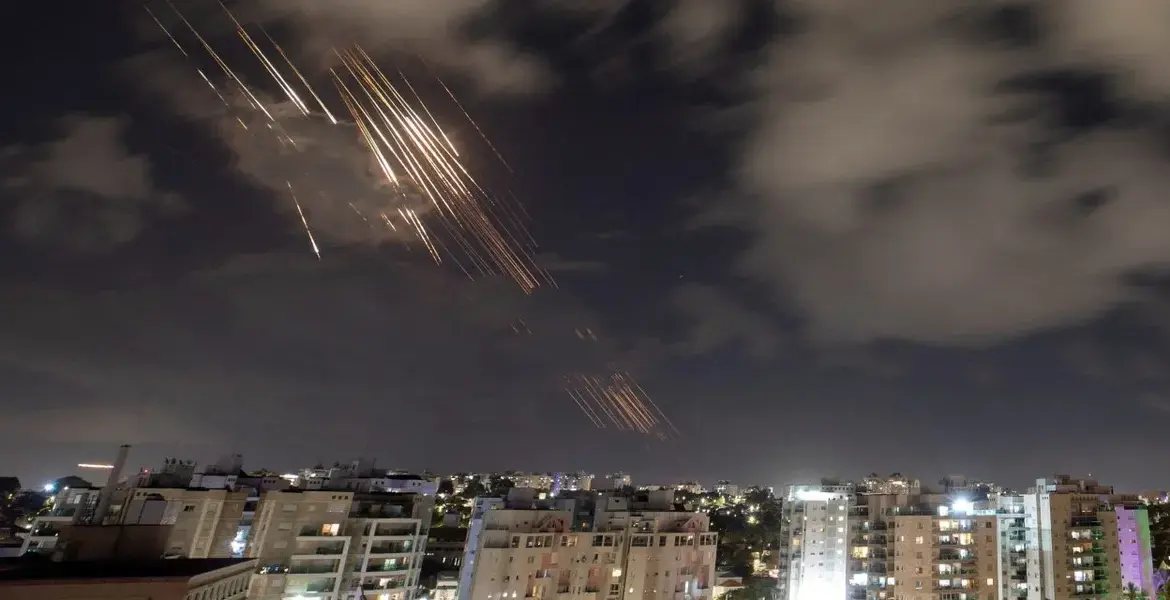
Debris from an intercepted Iranian missile has landed near Petach Tikva in central Israel, marking a significant escalation in the ongoing Israel Iran conflict. This incident underscores the increasing volatility in the region, as tensions between Iran and Israel continue to rise.
The conflict in the Middle East is rapidly evolving, with various geopolitical factors contributing to the current state of affairs. Analysts are closely monitoring the situation, as the ramifications of the US-Israel conflict with Iran are being assessed for their economic and security implications.
Context and Reactions
Experts suggest that the Iranian populace may view the current situation as an opportunity to align with Israeli and American forces against their government. Prof Meir Javedanfar noted, “[Israelis] see that the people of Iran share this goal…so they believe this is the opportunity [to do it] with the Israelis and Americans from the air, and the people of Iran on the ground.” This perspective reflects a complex interplay of internal and external pressures that could influence the conflict’s trajectory.
As the situation develops, timely updates and scenario-based monitoring are essential for understanding the potential outcomes. The international community remains watchful, as the implications of these events could extend beyond the immediate region.
Looking Ahead
Details remain unconfirmed regarding the full extent of the missile interception and its broader implications. Analysts are particularly focused on the economic ramifications of the conflict, which could affect not only the involved nations but also global markets.
As the Israel Iran conflict continues to unfold, the stakes remain high, with both military and diplomatic avenues being explored. The coming days and weeks are likely to reveal more about the evolving dynamics and potential resolutions to this longstanding conflict.
You may also like