Escalation of the Israel Iran Conflict
The Israel Iran conflict has reached a critical juncture, marked by large-scale military strikes and significant casualties. Since February 28, when the United States and Israel initiated a series of attacks on Iran, at least 1,332 people have lost their lives. The ongoing violence has raised alarms about the potential for a broader regional conflict, particularly as tensions continue to escalate in the Gulf region.
Military Actions and Casualties
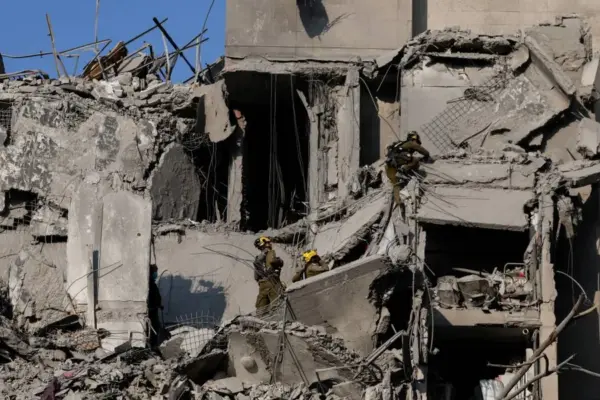
The US and Israeli forces have targeted key Iranian infrastructure, including oil storage depots and refining facilities. These strikes have not only resulted in substantial material damage but have also led to a spike in oil prices, with Brent crude oil climbing 27 percent in just one week. The Iranian military has responded by confirming that the Strait of Hormuz remains open, yet they have threatened to target US or Israeli ships, indicating a willingness to escalate their military response.
Humanitarian Concerns
Among the most devastating incidents was an attack on a primary school in southern Iran, which resulted in the deaths of at least 160 individuals. Human Rights Watch has called for a thorough investigation into this attack, suggesting it may constitute a war crime. Sophia Jones, a representative from the organization, emphasized the need for accountability, stating, “A prompt and thorough investigation is needed into this attack, including if those responsible should have known that a school was there and that it would be full of children and their teachers before midday.” Details remain unconfirmed regarding the exact number and identities of children and other individuals killed in this tragic event.
The conflict has drawn condemnation from the Gulf Cooperation Council (GCC), which denounced Iran’s continued attacks against Bahrain and Kuwait as “dangerous acts of aggression.” This regional response highlights the broader implications of the conflict, as neighboring countries express concerns over their own security in light of the escalating violence. The situation remains precarious, with the potential for further military actions that could destabilize the region.
Statements from Leaders
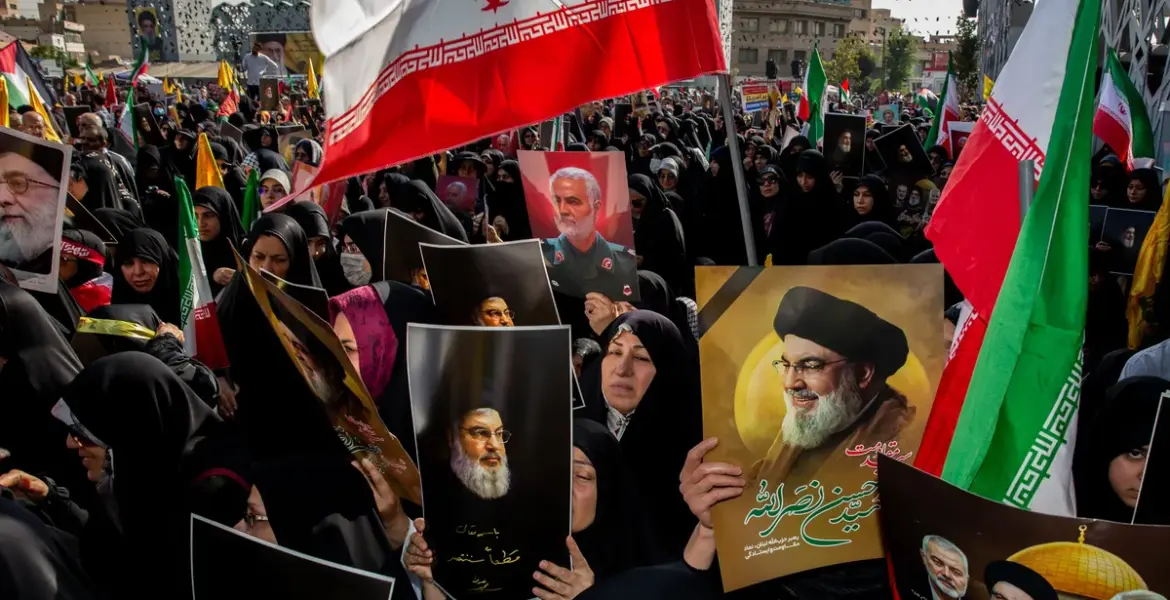
US Defense Secretary Pete Hegseth has issued a stark warning to Iran, stating, “If you kill Americans, if you threaten Americans anywhere on earth, we will hunt you down without apology and without hesitation, and we will kill you.” This statement underscores the US’s commitment to its military presence in the region and its determination to counter Iranian threats. Meanwhile, Iranian officials have accused external forces of attempting to create divisions within their country, further complicating the narrative surrounding the conflict.
Future Developments
The White House has indicated that the current war campaign may last four to six weeks, suggesting that the conflict is far from over. The US National Intelligence Council has reported that a large-scale US-led assault on Iran is unlikely to topple the country’s government, indicating a complex and potentially protracted conflict. As military actions continue, the international community watches closely, aware that the ramifications of this conflict extend beyond the immediate region.
As the Israel Iran conflict unfolds, the stakes remain high for all parties involved. With significant casualties, rising oil prices, and regional instability, the situation demands careful monitoring and a concerted effort towards de-escalation. The potential for further violence looms large, and the international community must remain vigilant in addressing the humanitarian and geopolitical consequences of this ongoing conflict.
You may also like