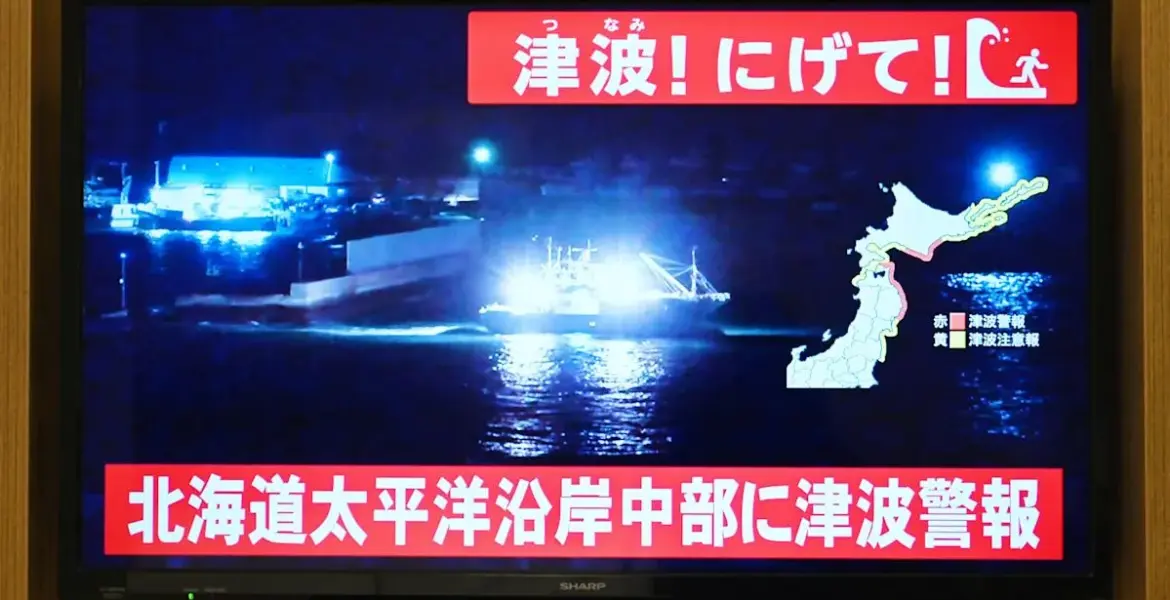
Before the Tsunami
Prior to March 11, 2011, Japan was already recognized as one of the most earthquake-prone countries in the world, situated on the ‘Ring of Fire.’ The nation had a robust infrastructure and disaster preparedness plans in place, with a total of 54 nuclear reactors operating across the country. However, the expectation of a disaster of such magnitude was not fully realized.
The Decisive Moment
On that fateful day, a 9.0-magnitude earthquake struck off the coast of Japan, triggering a massive tsunami that devastated coastal towns in the Tohoku region, including Kamaishi, Ofunato, and Rikuzentakata. The immediate aftermath saw more than 22,000 people reported missing or killed, with the wave that washed over Japan’s eastern shore claiming approximately 20,000 lives.
Direct Effects
The tsunami’s impact was not limited to loss of life; it also caused catastrophic damage to the Fukushima Daiichi nuclear power plant, leading to multiple meltdowns. As a result, 160,000 residents were evacuated from Okuma and surrounding towns due to radiation concerns, and a 20-kilometer exclusion zone was established around the plant. The disaster prompted a reevaluation of Japan’s nuclear policies and disaster preparedness.
Expert Perspectives
In the wake of the disaster, former Prime Minister Shinzo Abe stated, “The situation is under control,” reflecting the government’s initial response to the crisis. However, experts like Yukio Shirahige warned, “This is a dangerous level of radioactivity,” highlighting the severe risks posed by the nuclear fallout. The Japanese government has since invested millions in decontaminating Fukushima and rebuilding infrastructure, illustrating the long-term effects of the tsunami on national policy and public safety.
Long-Term Implications
The disaster has left a lasting mark on Japan, with ongoing efforts to manage the aftermath. As of now, the current population of Okuma stands at around 1,000, a stark contrast to the pre-tsunami numbers. The half-life of cesium 137, a radioactive isotope released during the disaster, is approximately 30 years, indicating that the region will face challenges for decades to come.
Details remain unconfirmed regarding the full extent of the long-term health impacts on the evacuated populations and the environment. The Japan tsunami 2011 serves as a critical reminder of the vulnerabilities faced by nations in earthquake-prone regions and the necessity for robust disaster preparedness and response strategies.
You may also like