Background on J.D. Vance and the Iran Conflict
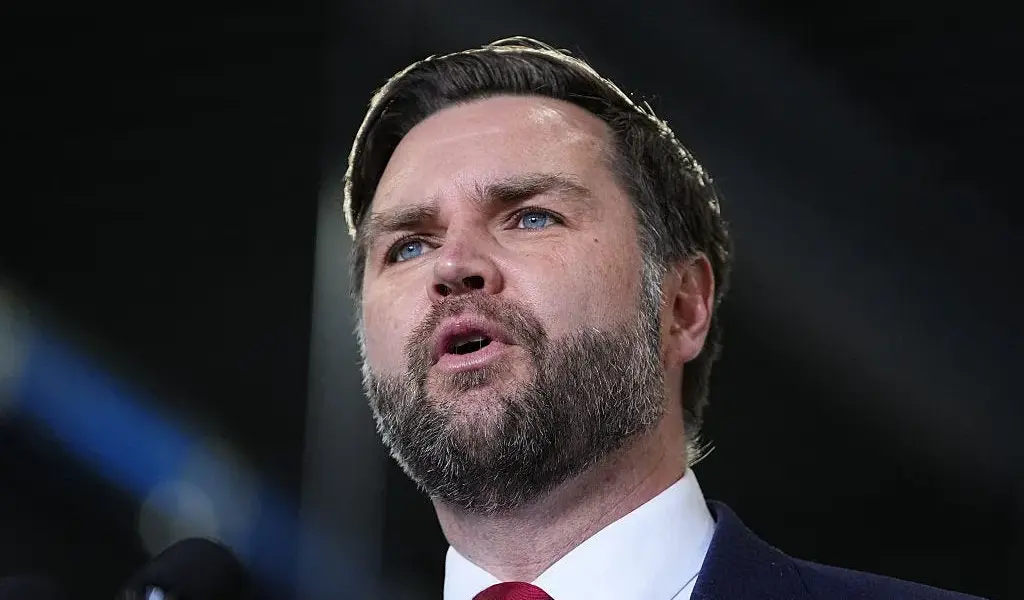
The MAGA coalition has contained various factions including nationalist hawks and neo-isolationists. J.D. Vance, a prominent figure within this coalition, has been vocal about his views on the ongoing military operations in Iran. As a leading contender for the Republican presidential nomination in 2028, Vance’s stance is closely watched by both supporters and critics.
Recently, Donald Trump commented on Vance’s differing philosophical view regarding the war in Iran. Trump noted that Vance was less enthusiastic about the idea of launching U.S. airstrikes alongside Israel, which has traditionally been a strong position within the Republican Party.
Vance’s Support for Trump and Military Operations
Despite his reservations about military engagement, Vance has publicly backed Trump since the onset of the military operation in Iran. In a 2023 opinion piece, he expressed his support for Trump, asserting that he trusts the former president not to “recklessly send Americans to fight overseas.” This sentiment aligns with Vance’s broader critique of past military interventions, particularly in Afghanistan.
Vance stated there was “no chance” the United States would become involved in a prolonged conflict similar to Iraq. He emphasized that the current military operation in Iran has a clear objective, contrasting it with the 20 years of mission creep experienced in Afghanistan.
Trump’s Perspective and Future Implications
Trump described the military operation in Iran as a “short-term excursion,” indicating a strategic approach that aims to achieve specific goals without long-term commitment. Vance echoed this sentiment, stating, “What’s so different about this, Jesse, is that the president has clearly defined what he wants to accomplish.”
Historically, Trump has taken significant actions regarding Iran, including withdrawing the U.S. from the Iran nuclear agreement and ordering a drone strike that killed Iranian General Qassem Soleimani during his presidency. These actions have shaped the current landscape of U.S.-Iran relations and have influenced Vance’s position within the party.
As the situation continues to evolve, observers are keen to see how Vance’s stance will impact his political future and the broader Republican narrative surrounding foreign policy. The dynamics within the MAGA coalition may shift as differing views on military engagement come to the forefront.
You may also like