How it unfolded
In the quiet moments leading up to Easter, a sense of reverence fills the air as communities around the world prepare to commemorate the crucifixion of Jesus. This pivotal event, which took place nearly two millennia ago, remains a cornerstone of Christian faith and a profound moment in history. On that fateful day, Jesus, a dissident Jew who had gathered followers and challenged the status quo, faced the Roman Empire’s wrath and was subjected to a brutal execution.
Historical accounts suggest that Jesus was forced to carry the horizontal part of the cross, weighing approximately 22 kg, as he made the arduous journey to the crucifixion site, which was about 8 km away. This journey was not just a physical burden but a symbol of the immense suffering he endured. The total weight of the cross, including the vertical part, was estimated to be between 80-90 kg, a staggering load for any individual, especially one already weakened by torture.
As the events of that day unfolded, the crucifixion itself was a common method of capital punishment in the Roman Empire, designed to inflict maximum pain and humiliation. Jesus’ final moments were marked by profound suffering, a cruel and shameful torture that has since become a poignant symbol of sacrifice in Christian theology. The echoes of his last words resonate through history, reminding believers of the depth of his suffering and the love he embodied.
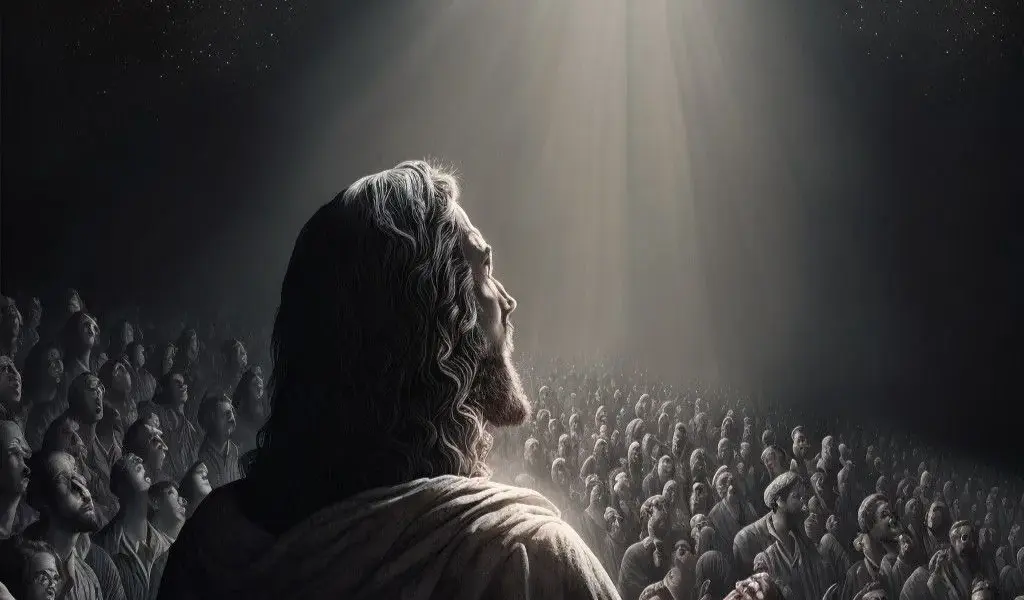
Fast forward to the present day, and the legacy of Jesus continues to inspire and challenge individuals. Recently, Archbishop Mullally, during a live broadcast of a sung eucharist on BBC Radio 4’s Sunday Worship, poignantly reminded listeners that “Jesus is with us in the darkness.” This statement resonates deeply in a world often overshadowed by uncertainty and fear, offering hope and solace to many.
Art has also played a significant role in keeping the memory of Jesus alive. One notable piece is the church mosaic of Jesus on the cross, created by Hungarian artist George Mayer-Marton in 1955. This artwork, which captures the essence of Jesus’ sacrifice, was listed as Grade II in 2022, ensuring its preservation for future generations. Such artistic expressions serve as a reminder of the enduring impact of Jesus’ life and death.
The story of Jesus is not just a historical account; it is a narrative that continues to shape the lives of millions. The words of Mary Magdalene, “I have seen the Lord!” echo through time, encapsulating the transformative power of faith and the belief in resurrection. For many, these words are a source of strength, encouraging them to seek light in times of darkness.
As we reflect on the significance of Jesus today, it is essential to recognize the profound implications of his life and teachings. His message transcends time, urging individuals to embrace compassion, love, and resilience in the face of adversity. The journey of Jesus, from his crucifixion to his lasting legacy, remains a powerful testament to the human spirit and the quest for meaning.
In a world that often feels divided and chaotic, the story of Jesus invites us to pause, reflect, and connect with the deeper truths of our existence. It serves as a reminder that even in our darkest moments, we are not alone; the light of hope and love continues to shine, guiding us through the shadows.
You may also like