Introduction
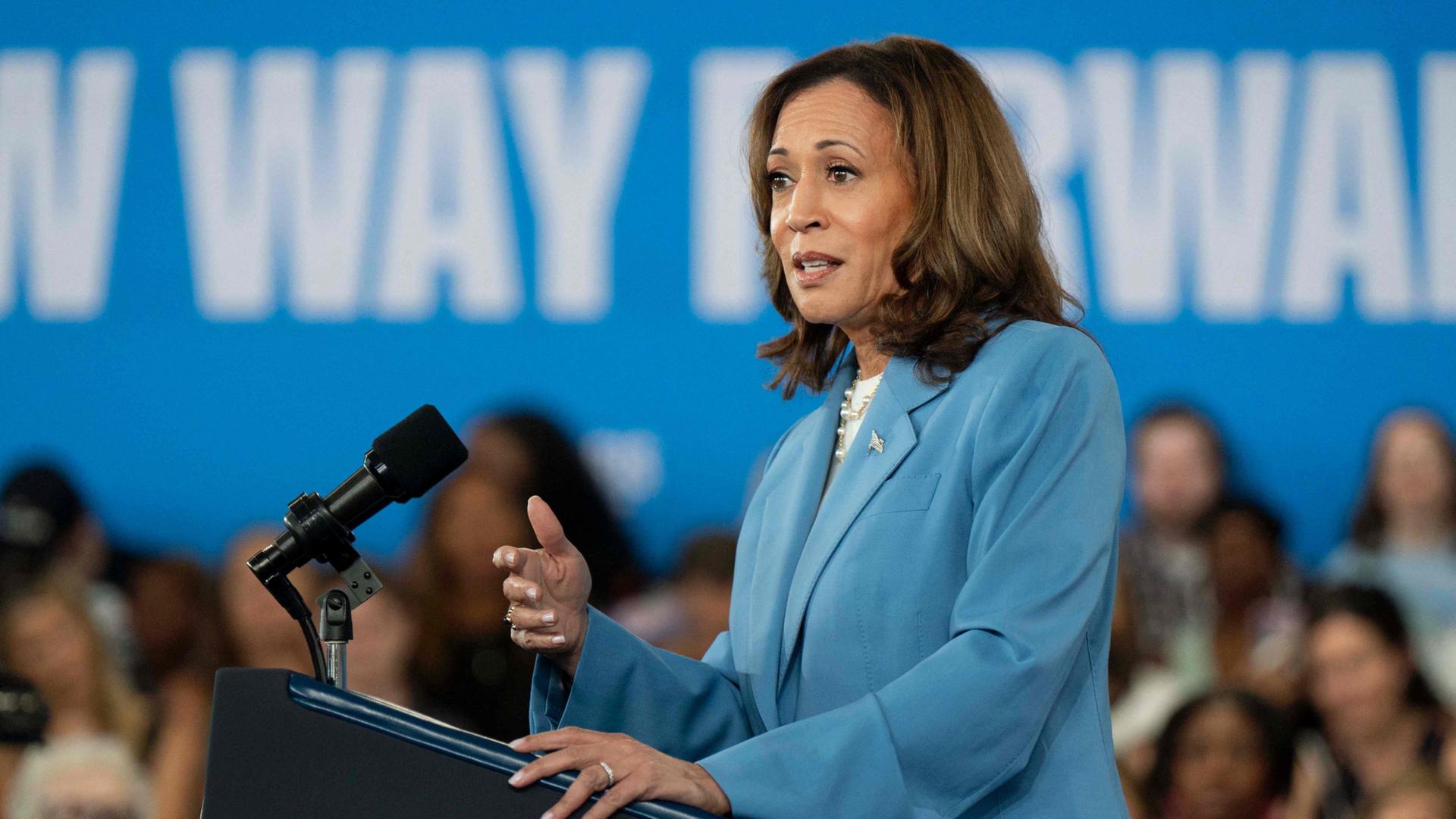
Kamala Harris, the current Vice President of the United States, has made history as the first woman, the first Black woman, and the first person of South Asian descent to hold this position. Her groundbreaking political career has not only reshaped the landscape of American politics but also serves as an inspiration for many, emphasizing the importance of diversity and representation in leadership roles.
Background and Rise to Prominence
Born in Oakland, California, in 1964, Kamala Harris attended Howard University and later earned her law degree from the University of California, Hastings College of the Law. Harris worked as a prosecutor in San Francisco and was later elected as the District Attorney. She went on to serve as California’s Attorney General, where she focused on issues such as reducing recidivism and reforming the criminal justice system.
Her political career took a national stage when she was elected to the U.S. Senate in 2016, becoming only the second African American woman to serve in the Senate. In this role, Harris has worked on a variety of issues, including healthcare, immigration reform, and civil rights, establishing herself as a leading figure in the Democratic Party.
Role as Vice President
When Kamala Harris was elected as Vice President in 2020 alongside President Joe Biden, it marked a significant milestone in U.S. history. Since taking office, she has been actively involved in key issues such as the COVID-19 pandemic response, economic recovery, climate change, and immigration policy. Harris has been travelling across the country to engage with communities and promote the administration’s initiatives, particularly focusing on building back better for all Americans.
Challenges and Criticism
Despite her accomplishments, Harris has faced a number of challenges, including criticism from both sides of the political spectrum. Some progressives feel that she has not gone far enough on issues such as healthcare reform, while conservatives often oppose her policies outright. Additionally, her handling of the immigration crisis at the southern border has drawn scrutiny and has become a contentious topic within the administration.
Conclusion
Kamala Harris’s role as Vice President is not only significant due to her historical identity but also because of the influence she wields in shaping policy during a time of great division in the United States. As she continues to navigate the complexities of her position, her efforts may serve as a bellwether for future elections and the potential for further diversification in political leadership roles. Harris’s journey underscores the ongoing conversation about representation and how powerful voices can truly impact the fabric of American politics.
You may also like