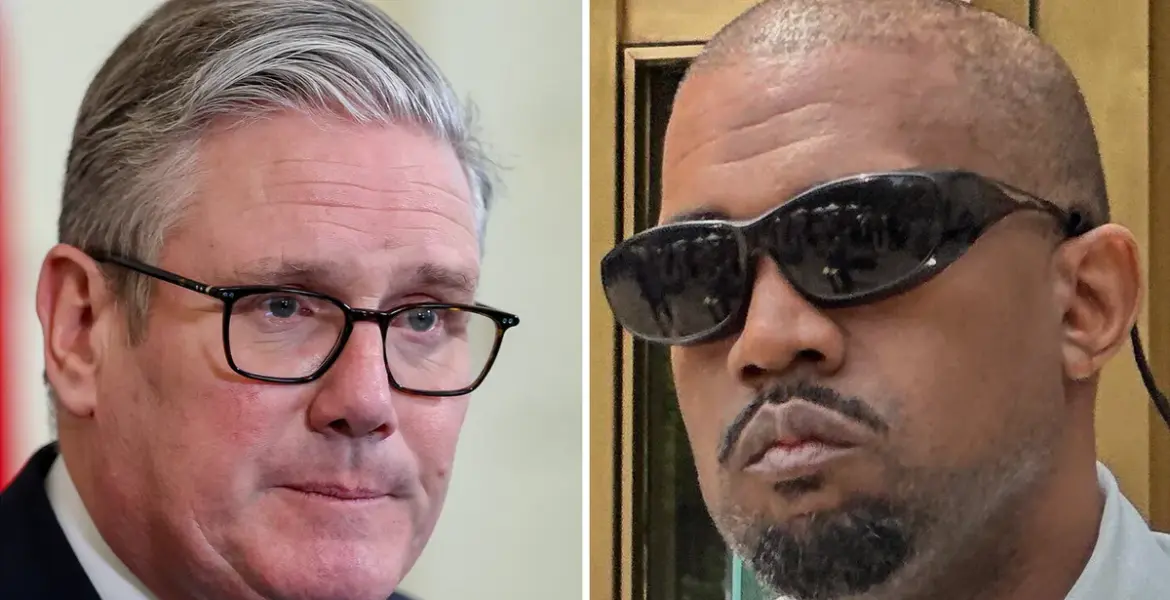
Kanye West’s anticipated performance at the Wireless festival in London has ignited a firestorm of controversy, contrasting sharply with the expectations of a more inclusive entertainment landscape. Just a few years ago, West was celebrated as a musical innovator, but his recent history of antisemitic remarks has cast a long shadow over his return to the stage.
The decisive moment came when it was announced that West would headline the festival on July 1, 2026. This news was met with immediate backlash, particularly from political leaders like Keir Starmer, who expressed that it is “deeply concerning” for someone with West’s history to be given such a platform. Starmer’s comments reflect a growing unease in society about allowing individuals with a track record of hate speech to perform publicly.
West’s past is marred by a series of inflammatory statements, including admiration for Adolf Hitler and the release of a song titled “Heil Hitler.” These actions have not only led to public outrage but also resulted in significant consequences for his career. Adidas, once a key partner, severed ties with West and donated over $150 million to anti-hate groups in response to his comments.
The impact of this decision is felt not just by West but also by the festival organizers and the broader community. The Jewish Leadership Council condemned the booking, stating it was “absolutely the wrong decision” to allow West to perform, highlighting the potential harm his presence could inflict on the community.
Ed Davey, another political figure, has called for the government to ban West from entering the UK, emphasizing the need for tougher measures against antisemitism. This sentiment resonates with many who believe that public figures should be held accountable for their words and actions.
Despite the backlash, West remains defiant. He has publicly stated, “I am not a Nazi or an antisemite. I love Jewish people,” attempting to distance himself from the narrative that has surrounded him. However, the question remains whether his words can truly reconcile with his past actions.
As the festival date approaches, the tension surrounding West’s performance continues to build. His last performance in the UK was in 2015 at Glastonbury, a time when he was still viewed as a controversial yet talented artist. Now, after years of public outcry and mental health struggles, including a four-month manic episode, the stakes feel higher than ever.
West’s journey has been complicated, with his bipolar disorder often cited as a factor in his erratic behavior. Yet, this does not diminish the responsibility he holds for his statements. The ongoing debate about his performance at the Wireless festival serves as a reflection of society’s struggle to balance artistic expression with the need to confront hate.
Details remain unconfirmed regarding any potential changes to West’s performance, but the conversation surrounding it is unlikely to fade anytime soon. As voices from various sectors continue to weigh in, the festival’s decision may ultimately serve as a litmus test for how far society is willing to go in addressing antisemitism in the public sphere.
You may also like