Introduction
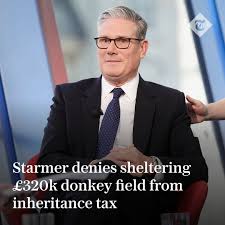
Inheritance tax (IHT) has long been a contentious topic in UK politics, affecting countless families and shaping discussions around wealth distribution. As the UK navigates financial recovery post-pandemic, the stance of political leaders on tax issues becomes increasingly crucial. Recently, Labour leader Keir Starmer has articulated his views on inheritance tax, signalling potential shifts in policy that could affect many citizens.
Current Scenario of Inheritance Tax in the UK
Inheritance tax currently stands at 40% on estates worth over £325,000, with various reliefs available that can alleviate the burden for certain families. According to recent statistics from HM Revenue and Customs, inheritance tax receipts have steadily increased, reaching £5.4 billion in the 2021-2022 tax year. As property values and assets rise, families face a greater likelihood of encountering this tax, prompting debates on its fairness and effectiveness.
Keir Starmer’s Proposals
Starmer has been vocal about the need for a comprehensive review of the inheritance tax system. In response to concerns raised by families, he suggests redefining exemptions and thresholds to ensure that lower and middle-income households are not disproportionately affected. One of his key proposals includes a review of the £325,000 threshold, advocating for an increase to align more closely with current property market valuations.
Public Response and Implications
The public’s reaction to Starmer’s proposals has been mixed. Supporters argue that reforming inheritance tax can lead to a fairer approach to wealth distribution, while critics caution that increasing the tax burden on inherited wealth could discourage saving and investment. Furthermore, economic experts warn that any changes to inheritance tax could have wide-ranging implications on fiscal policy, potentially affecting other taxes or public spending.
Conclusion
As the Labour Party positions itself for the next election, Keir Starmer’s approach to inheritance tax is poised to influence broader discussions on economic policy and social equity in the UK. Predictions indicate that this topic will remain a focal point of debate as families face growing financial pressures amid ongoing economic uncertainty. The outcome of Starmer’s proposals could shape not only individual futures but the nation’s approach to taxation and wealth distribution in the years to come.
You may also like