Introduction
The Caerphilly by-election, held on 5th October 2023, stands as a pivotal moment in British politics. Following the resignation of the former Labour MP, this by-election has attracted significant national attention, not only due to its potential to reshape local representation but also its implications for the broader political landscape in Wales and the UK. With a riveting backdrop of changing party dynamics, voter sentiment, and socio-economic issues, the outcome could signal shifts in party power balances.
The Context of the By-Election
The by-election was called after the resignation of Wayne David, who had represented the constituency since 2010. Local activists and party members have rallied to ensure a strong turnout, commemorating the importance of community issues such as health services, education, and housing. Labour has maintained a stronghold in Caerphilly for over two decades, yet recent polling indicates a waning majority, with other parties gaining momentum.
The backdrop of this election is marked by rising concerns over public services, particularly in the wake of the COVID-19 pandemic. The local electorate is increasingly focused on candidates who demonstrate a commitment to addressing these pressing issues. Meanwhile, the Conservative party is keen to capitalise on any perceived vulnerabilities from the Labour party, aiming to present themselves as a credible alternative.
Key Candidates and Their Stances
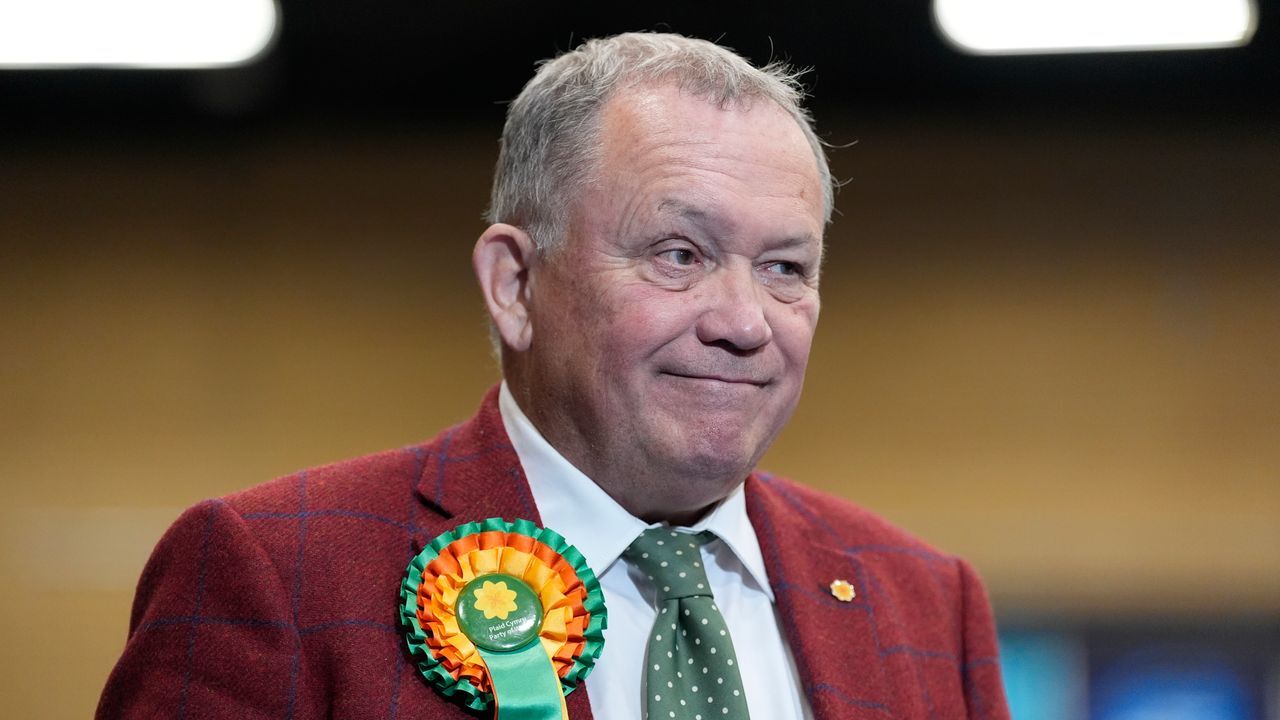
Four major candidates stood for election, including the Labour representative, Jennifer Smith, who emphasises her commitment to improving community welfare and public investment. The Conservative candidate, Mark Johnson, positions himself as a pro-business advocate, focusing on economic recovery and employment opportunities. Other notable candidates include Janet Lewis representing Plaid Cymru, advocating for Welsh independence and greater local governance, and Gary Thompson from the Green Party, who champions climate issues and sustainable practices.
The Impacts of the Election
With voter turnout being a key indicator of engagement, the Caerphilly by-election could serve as a bellwether for upcoming local and national elections. Many analysts argue that a strong performance by any party outside Labour would suggest a genuine shift in public sentiment, potentially influencing party strategies moving forward. In particular, if the Conservatives or Plaid Cymru do well, it could prompt a re-evaluation of Labour’s approach to fundamental issues.
Conclusion
The Caerphilly by-election encapsulates the current political climate within the UK, informing us about voter priorities and attitudes as the electorate grapples with complex societal challenges. The implications of this by-election extend beyond local governance, potentially shaping the trajectory of future elections across Wales and the rest of the United Kingdom. As results are anticipated with keen interest, both political leaders and citizens await insights that could define the future of their communities.
You may also like