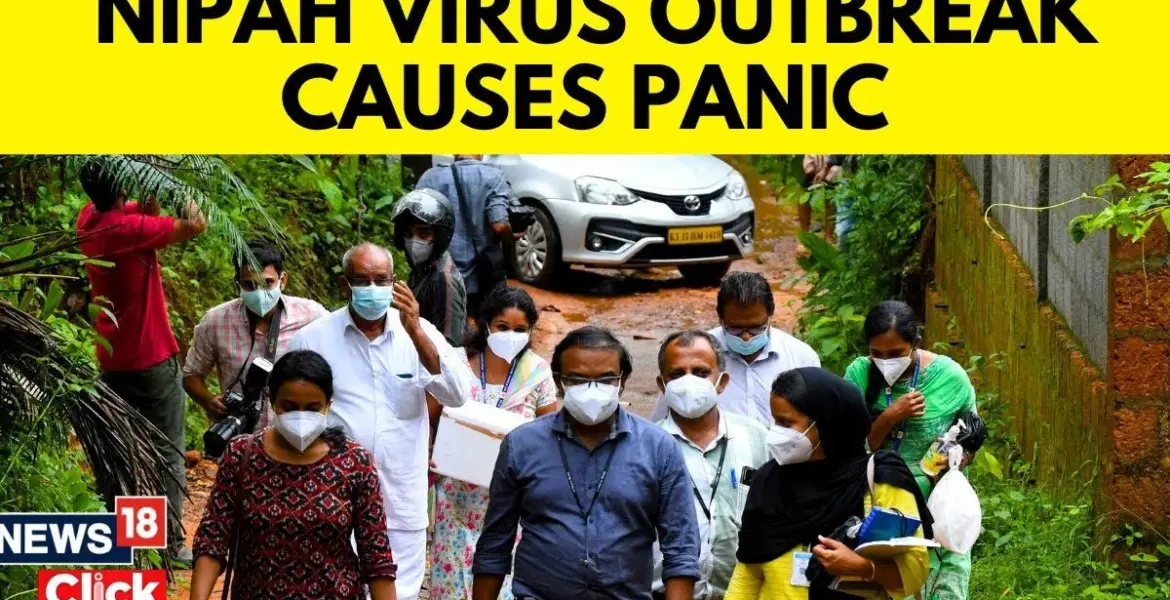
Importance of Monitoring Nipah Virus Outbreaks
The Nipah virus has emerged as a significant public health concern in various regions, particularly in South Asia. With a high mortality rate, understanding recent outbreaks and ongoing preventive measures is crucial for safeguarding communities and managing potential health crises.
Current Situation
As of October 2023, multiple reports indicate a resurgence of Nipah virus cases in parts of India, particularly in Kerala. Public health officials confirmed at least fourteen cases in the last two weeks, with two deaths already reported. This uptick in cases follows the WHO’s warning last year about the increasing frequency of zoonotic viruses, which are transmitted from animals to humans. The Nipah virus, primarily spread by fruit bats and through contaminated food or direct contact with infected individuals, poses a serious risk to human populations.
Government Response
The Indian government and local health authorities are undertaking rigorous measures to contain the outbreak. stringent tracking and isolation protocols are being reinstated. Health workers are encouraged to stay vigilant, and awareness campaigns are underway to educate the public about the symptoms of the virus, which include fever, cough, and symptoms similar to encephalitis. Residents in the affected areas are urged to avoid contact with fruit bats and to refrain from consuming raw date palm sap, a known source of transmission.
International Reactions and Health Strategies
Globally, the WHO is monitoring the situation closely and has offered its support to Indian health authorities. Discussions regarding vaccine research and potential preventative measures are ongoing, as no approved vaccines currently exist for this virus. In 2018, a significant outbreak in Kerala had a considerable impact on healthcare infrastructure and heightened awareness of the need for rapid responses to similar health threats.
Conclusion
The resurgence of the Nipah virus presents serious public health implications, and the situation remains fluid. Continued surveillance, effective communication from health authorities, and public compliance with health advisories are essential to curb the spread of the virus. For now, communities are urged to remain vigilant and adhere to health guidelines, as the international health community monitors and responds to this emerging threat.
You may also like