Introduction
The recent train crash in Spain has sparked widespread concern, highlighting serious issues related to transportation safety. Train accidents are rare in this country, known for its efficient rail network, making this incident particularly alarming. As investigations unfold, the implications for rail safety measures and public trust in transport services become critical.
Details of the Incident
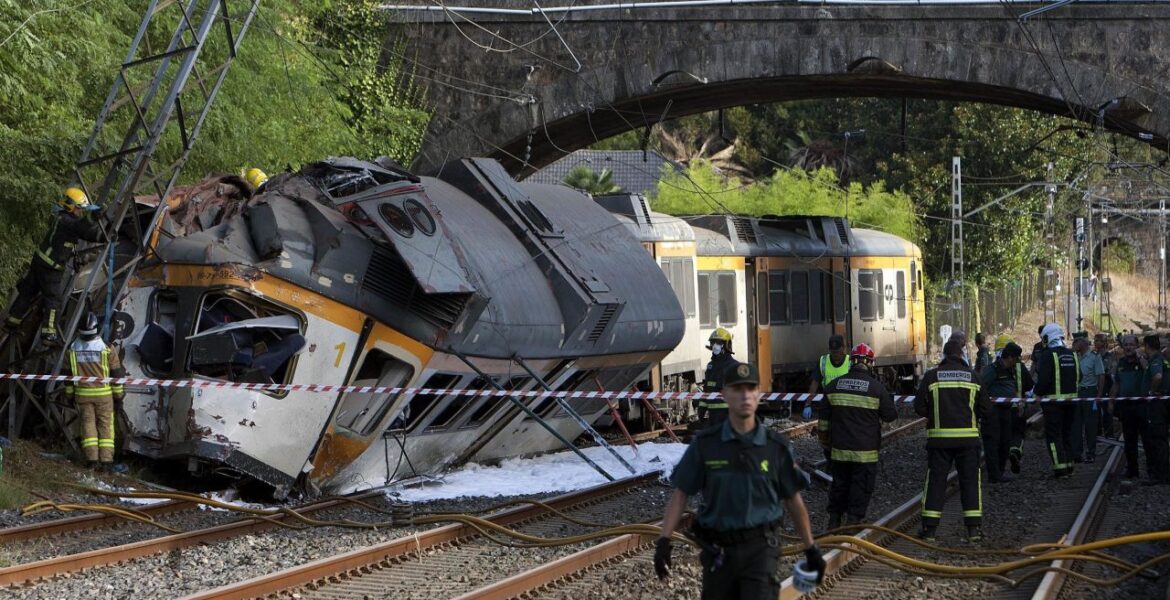
On October 15, 2023, a passenger train derailed near the city of Zaragoza, resulting in a tragic loss of life and numerous injuries. Eyewitness accounts indicate that the train was travelling at high speed when it left the tracks, with reports confirming at least 25 fatalities and over 100 injured. Emergency services promptly arrived at the scene, deploying helicopters and ambulances to aid in the rescue efforts.
The Spanish Ministry of Transportation has initiated an investigation led by their National Railway Safety Agency. Preliminary reports suggest that a potential mechanical failure related to the train’s braking system may have contributed to the incident. However, authorities have not ruled out other factors such as human error or track-related issues.
Responses and Reactions
This tragedy has drawn attention from national and international officials. Spain’s Prime Minister, Pedro Sánchez, has expressed condolences to the victims’ families and promised a thorough investigation to ensure accountability and improve safety standards. The incident has also raised questions about the current state of Spain’s railway infrastructure, which has faced criticism for aging tracks and insufficient maintenance in recent years.
Passenger safety advocates have called for immediate action, urging the government to invest in modernising the rail system and implementing stricter regulations. The Spanish people, known for their vibrant rail travel culture, are now left questioning how such a tragedy could unfold in a system they’ve trusted for decades.
Conclusion
The Spain train crash sets a grim precedent for the future of rail travel in the country. As investigations continue, it is crucial for the authorities to respond with transparency and effective measures to enhance safety protocols. Public sentiment may shift as users reassess their trust in train travel, potentially leading to decreased passenger numbers if substantial improvements are not made. The significance of this incident cannot be understated; it serves as a reminder of the critical need for continuous improvement in transportation safety across Europe.
You may also like