Confrontation Over Human Rights Violations
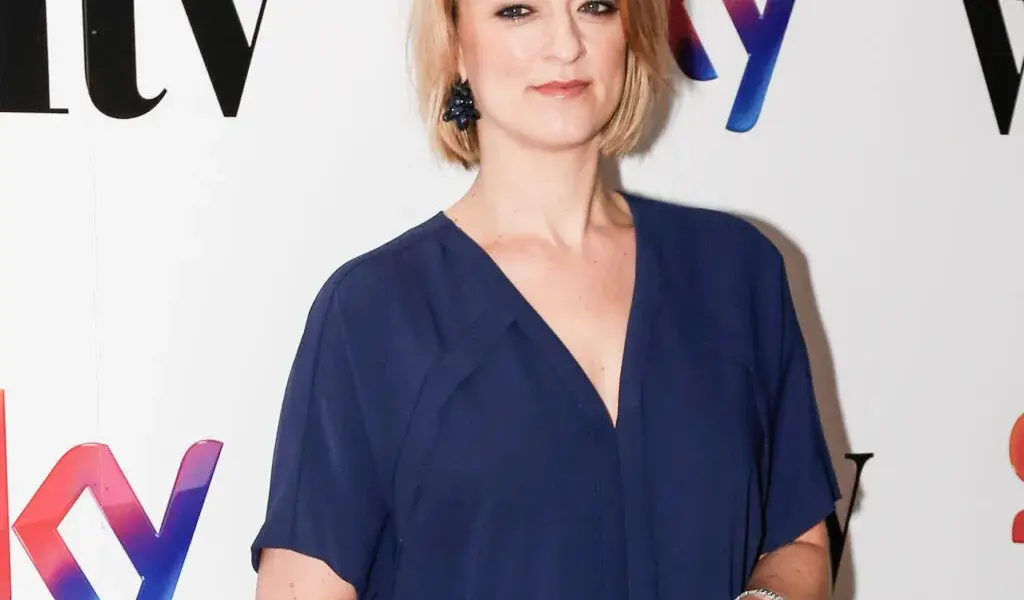
During a recent interview, Laura Kuenssberg posed a pointed question to Iranian ambassador Seyed Ali Mousavi: “How on earth do you justify that, ambassador?” This inquiry came in the context of the Iranian regime’s violent suppression of protests, which has reportedly resulted in the deaths of up to 36,500 civilians since an uprising began in January.
Context of the Uprising
The Iranian regime has faced severe criticism for its actions against protesters, with many accusing it of human rights violations. The uprising, which sparked widespread unrest, has drawn international attention to the regime’s brutal tactics in quelling dissent. In response to Kuenssberg’s question, Mousavi acknowledged that Iran has its own internal issues, stating, “I do not want to say that we do not have any problems. No, there are problems in our country.”
Claims of Unity Against Foreign Interference
Mousavi further claimed that all Iranians are united against foreign invaders, particularly in light of military actions by the United States and Israel. This assertion reflects a common narrative within Iranian political discourse, where external threats are often cited to rally domestic support.
UK’s Position in the Middle East
Meanwhile, John Swinney, a prominent UK politician, has raised alarms about the UK’s precarious position due to its cooperation with the US in the Middle East. He warned that the UK could find itself embroiled in conflict as a result of allowing the US to use British bases for operations against Iran. Swinney stated, “I understand why the United Kingdom has got to protect our own people, that is the fundamental duty of the United Kingdom Government.”
Military Movements and Concerns
Recent developments have seen four US bomber planes land at RAF Fairford in Gloucestershire, reportedly for missions targeting Iranian missile sites. This military presence has heightened concerns about the potential for escalation in the region, with Swinney expressing fears that the UK’s involvement could lead to unintended consequences.
Political Implications
As the political landscape evolves, Swinney also commented on the upcoming elections, asserting, “Well, I don’t think Keir Starmer will be the Prime Minister if I win a majority in the election in May.” This statement underscores the competitive nature of UK politics and the potential shifts in leadership that could influence the country’s foreign policy.
Looking Ahead
The situation remains fluid, with ongoing discussions about the implications of the UK’s military cooperation with the US and the Iranian regime’s actions against its citizens. As international scrutiny continues, the responses from both the UK government and Iranian officials will be closely monitored.
You may also like