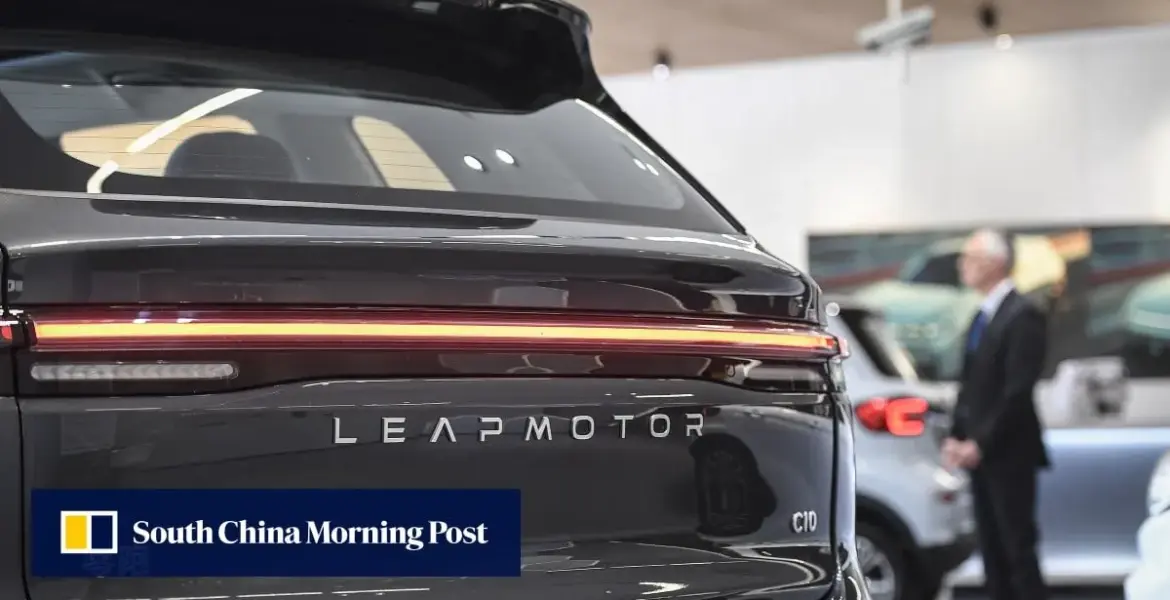
Leapmotor, a rising star in the electric vehicle (EV) industry, has made headlines with the opening of its first overseas research and development hub in Munich, Germany. This move is part of a broader strategy to tap into the growing demand for electric vehicles outside of China, where the company has already established a strong foothold.
In the first three months of 2026, Leapmotor delivered an impressive 110,155 new energy vehicles, showcasing its robust production capabilities. The company’s ambitious plans include potential local assembly operations in Canada, which could further enhance its presence in North America.
Leapmotor’s deliveries outside China are projected to exceed 150,000 units this year, a significant increase from its previous target of 100,000 units. This surge in overseas sales is a testament to the rising popularity of Chinese EVs on the global stage, as noted by industry experts.
Qian Kang, an industry analyst, remarked, “None of Chinese EV makers will ignore opportunities offered by overseas markets.” This sentiment reflects the competitive landscape in which Leapmotor operates, alongside other major players such as BYD, Li Auto, Nio, and Xpeng.
The company’s total sales for 2026 are expected to surpass 1 million vehicles, a milestone that underscores Leapmotor’s rapid growth trajectory. In March alone, the company delivered 50,029 vehicles, marking a fourth consecutive quarter of deliveries exceeding 100,000 units.
Leapmotor’s expansion into international markets is not just a business strategy; it is also a response to the increasing demand for sustainable transportation solutions worldwide. As electric vehicles become more mainstream, Leapmotor aims to secure its place among the leading manufacturers in the global market.
As the company continues to innovate and expand, observers are keenly watching its next moves. The establishment of the Munich hub is expected to facilitate research and development efforts, allowing Leapmotor to tailor its offerings to meet the specific needs of European consumers.
With the automotive landscape evolving rapidly, Leapmotor’s proactive approach could set a precedent for other Chinese manufacturers looking to enter or expand in foreign markets. As Qian Kang noted, the company’s goal of gaining a foothold in Europe is a direct response to the rising popularity of Chinese EVs worldwide.
As Leapmotor forges ahead, the industry will be watching closely to see how this strategic expansion unfolds and what it means for the future of electric vehicles on a global scale.
You may also like