Importance of Understanding Libya’s Situation
Libya, blessed with rich oil reserves and a strategic geographic location, has been plunged into instability since the fall of long-time leader Muammar Gaddafi in 2011. Understanding the current political landscape and humanitarian crises is essential not just for those in the region but also for global geopolitics and economic stability, especially given Libya’s crucial role in European energy supplies.
Current Political Landscape
As of late 2023, Libya continues to grapple with significant political challenges. The country is divided mainly between rival governments—the Government of National Unity (GNU) based in Tripoli and the eastern-based administration supported by the Libyan National Army (LNA), led by General Khalifa Haftar. The ongoing power struggle has created an environment of uncertainty, stalling progress towards a unified government and exacerbating local conflicts among armed groups.
Humanitarian Crisis
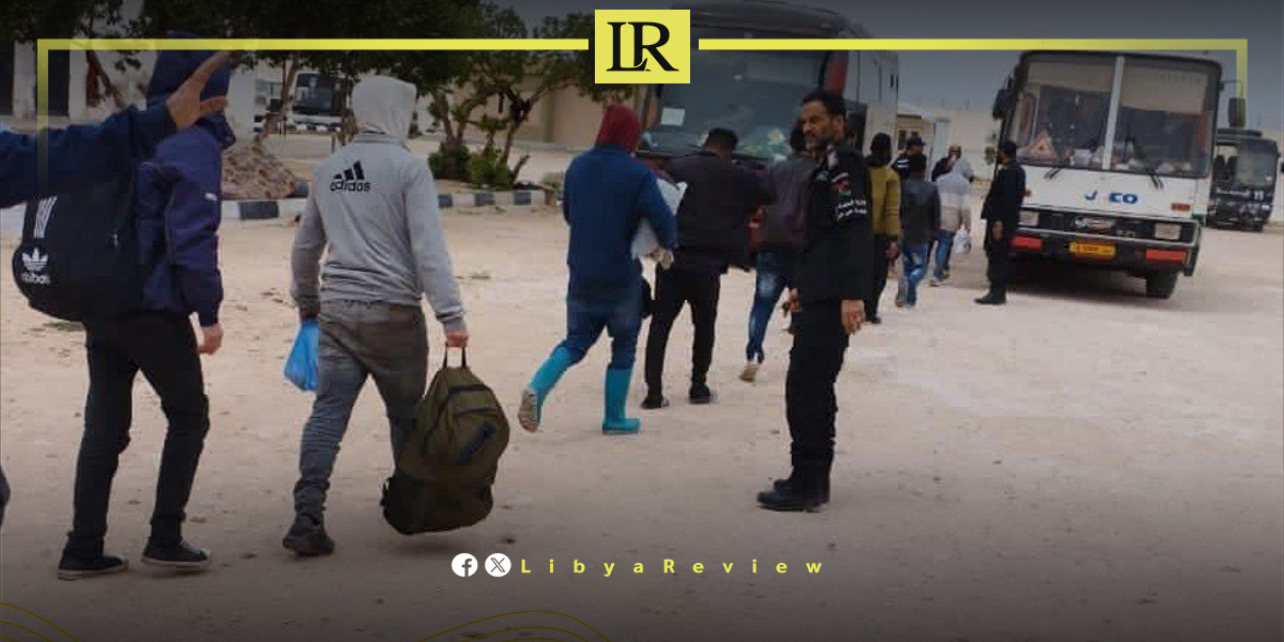
The conflict in Libya has led to dire humanitarian conditions. The United Nations estimates that approximately 2.4 million people require humanitarian assistance as a result of violence, displacement, and economic instability. Basic needs such as food, healthcare, and clean water remain unmet for many, highlighting the urgent need for international support and intervention. Recent floods and climate-related challenges have further deteriorated living conditions, adding layers of complexity to an already fragile situation.
International Response and Efforts for Stability
International actors, including the United Nations and the African Union, have been actively seeking to mediate between rival factions in Libya. Recent discussions have focused on holding national elections, initially scheduled for 2021 but repeatedly delayed due to disagreements over electoral laws and security concerns. With renewed efforts from foreign stakeholders, there is hope that a political resolution may soon emerge, fostering a pathway for rebuilding the country.
Conclusion and Future Outlook
As 2023 progresses, the situation in Libya remains precarious yet dynamic. The potential for resolving long-standing disputes exists but relies heavily on cooperative international efforts and genuine commitment from Libyan leaders to come to the negotiating table. For readers following global affairs, Libya’s journey is a stark reminder of the delicate nature of political stability and the human cost of protracted conflict. The coming months may be crucial in determining whether Libya can transition from turmoil to a stable and prosperous future.
You may also like