Introduction
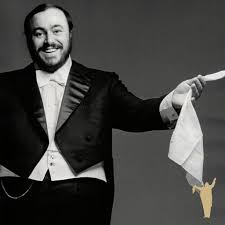
The death of Luciano Pavarotti on September 6, 2007, marked a profound moment in the world of music, particularly in the realm of opera. Pavarotti, revered as one of the greatest tenors of all time, brought opera to the masses and transformed the perception of classical music across the globe. His passing not only left a void in the artistic community but also served as a reminder of the lasting impact he had on both opera and popular music.
Life and Career
Born on October 12, 1935, in Modena, Italy, Pavarotti’s journey to stardom began at a young age, influenced by his father, who was a baker and a tenor himself. After studying at the Conservatorio Giuseppe Verdi in Milan, Pavarotti’s professional debut came in 1961 at the opera house in Reggio Emilia.
Throughout his career, Pavarotti captivated audiences with his incredible vocal range and distinctive timbre. He became famous not just for his operatic performances but also for collaborations with pop stars and participation in large-scale benefit concerts. His signature pieces, including “Nessun Dorma” and duets with artists such as Plácido Domingo and José Carreras, helped solidify his status as a cultural icon.
Impact of His Death
Pavarotti’s death due to pancreatic cancer was felt worldwide, prompting tributes from fans, fellow musicians, and dignitaries. His funeral, held in Modena, was attended by thousands, including celebrities and opera enthusiasts alike, symbolising the love and respect he garnered throughout his life. News networks and platforms dedicated segments to honour his contributions and career highlights, reminding the public of his extraordinary talent.
Legacy and Commemoration
In the years following his death, Pavarotti’s influence has continued to resonate within the music community. His contributions to opera have inspired countless aspiring singers, and his recordings still serve as benchmarks for operatic excellence. In addition, various festivals and competitions have been named in his honour, ensuring his legacy endures.
Moreover, the Luciano Pavarotti Foundation continues to work towards his vision of promoting musical education and supporting disadvantaged children worldwide, further extending his philanthropic reach even after his passing.
Conclusion
Luciano Pavarotti’s death was not merely the loss of a remarkable tenor but also the end of an era in classical music. His legacy continues to thrive through his recordings, influences on other artists, and commitment to enriching lives through music. As long as his voice is heard, Pavarotti will remain an integral part of the world’s cultural fabric, inspiring new generations of musicians and music lovers.
You may also like