Who is involved
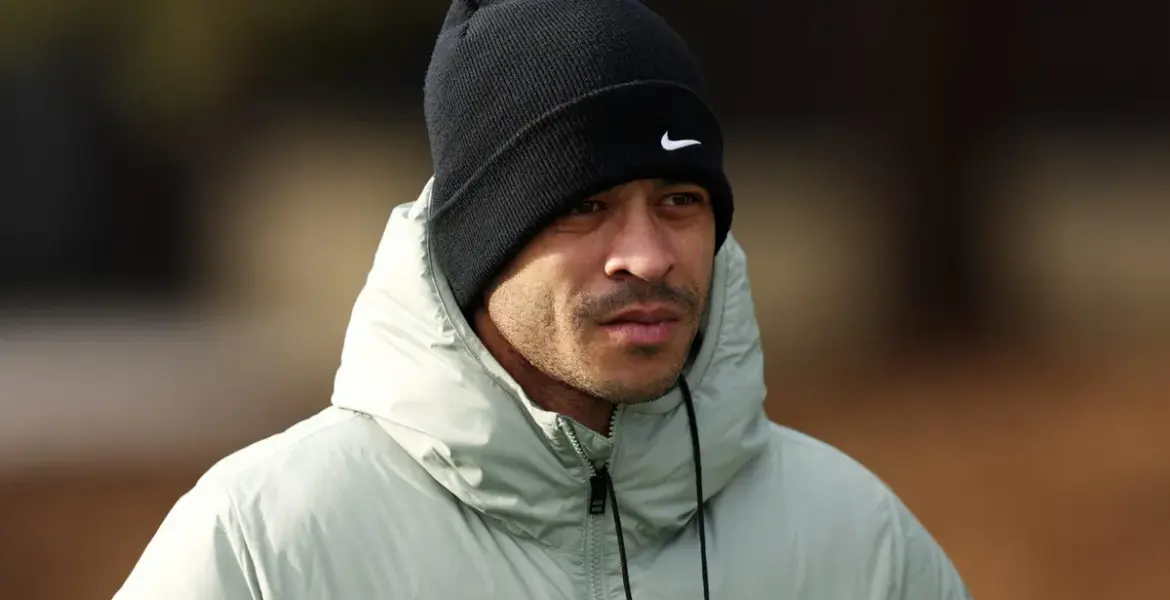
In the world of football, expectations can shift dramatically, and Chelsea Football Club is currently navigating one of those turbulent times. Before the recent downturn, Chelsea was seen as a club on the rise, especially following the appointment of Liam Rosenior as head coach on January 6, 2026. Hopes were high that he could steer the team back to its former glory after the departure of Enzo Maresca. With a record of 10 wins, 2 draws, and 7 losses in his first 19 matches, the initial optimism was palpable. However, that optimism has quickly faded.
The decisive moment came after Chelsea’s latest match against Everton, where they suffered their fourth consecutive defeat. This loss was particularly painful, as it not only marked a significant downturn in form but also raised critical questions about Rosenior’s future as head coach. The team conceded a staggering 12 goals during this four-match stretch, averaging three goals against per game. Such statistics are alarming for any club, especially one with Chelsea’s rich history.
The immediate effects of these defeats have been felt by both the players and the coaching staff. Rosenior now faces the daunting task of finding a suitable partner for Trevoh Chalobah in central defense until Levi Colwill returns from injury. The pressure is mounting, and the weight of expectation is heavy. The players, too, are feeling the strain; Robert Sanchez’s mistake leading to Everton’s second goal exemplifies the lack of confidence that has permeated the squad. Similarly, Filip Jorgensen’s costly error in the Champions League against Paris Saint-Germain has only added to the team’s woes.
As the defeats pile up, former players and experts are weighing in on the situation. Emmanuel Petit, a voice of authority in football, remarked, “Something needs to change at Chelsea.” His words resonate deeply with fans who have witnessed the decline of a once-mighty club. The need for change is palpable, and the urgency is growing. Rosenior’s tenure, which began with promise, now feels precarious as the club grapples with its identity and direction.
Meanwhile, off the pitch, the narrative is equally compelling. Georgia Toffolo, a prominent figure in the media, recently shared her love for Scotland, highlighting the need for a reset in life. “The air feels fresher, the mornings are slower… My nervous system resets when I am here,” she expressed. Such sentiments echo the feelings of many Chelsea supporters who yearn for a return to stability and success. The parallels between personal rejuvenation and the club’s need for revitalization are striking.
In a different realm, BrewDog, the popular brewery co-founded by James Watt, has faced its own struggles, racking up debts of over £500 million before collapsing into administration. Irwin Simon, the new owner, criticized Watt’s legacy, stating, “We don’t need James Watt, because if James Watt were ever to come back here – and I’m being very clear, he’s not – what happens is this becomes about James Watt’s second and third act.” This criticism resonates with Chelsea’s current plight, as the club must find its own identity separate from past glories.
As Chelsea navigates this challenging period, the need for introspection and change is clear. The international break may provide a moment of respite, allowing Rosenior and his team to regroup and reassess their strategies. However, the question remains: can they turn this ship around before it’s too late? The future of Chelsea Football Club hangs in the balance, and the coming weeks will be crucial in determining their path forward.
You may also like