What the data shows
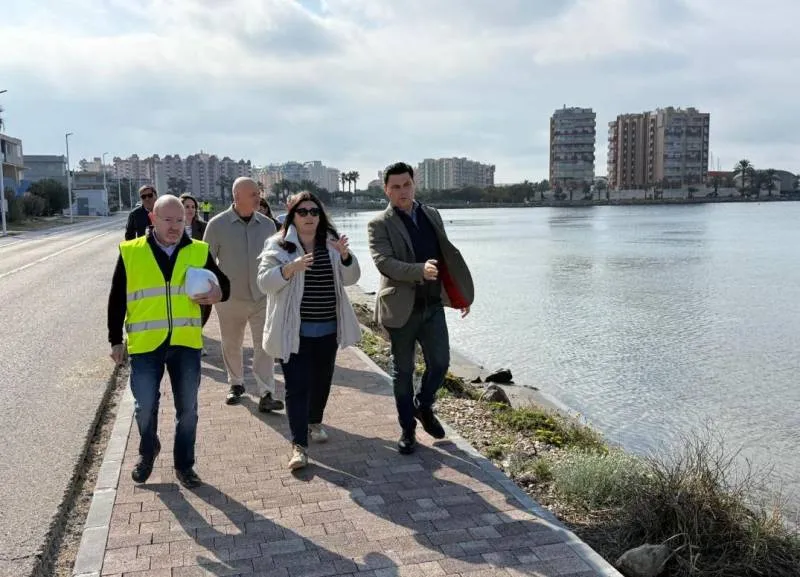
What does the future hold for the Mar Menor, a unique coastal lagoon in Spain? Recent developments suggest a promising shift towards sustainability and conservation in this cherished region. A new 2.1-kilometre stretch of pavement is set to complete a continuous pedestrian route along the Mar Menor strip, enhancing accessibility and encouraging tourism. This project, with a total investment of €637,502.75, is expected to be finished within the next month, marking a significant step in revitalizing the area.
The initiative is funded through the San Javier Destination Tourism Sustainability Plan, reflecting a broader commitment to sustainable tourism practices. The new pavement, designed to be between 2 and 2.3 metres wide, will not only improve the pedestrian experience but also promote a healthier lifestyle by encouraging walking and cycling along the picturesque coastline. Additionally, new street lighting has been installed along the entire stretch, ensuring safety and comfort for visitors and residents alike.
In tandem with these infrastructural improvements, the establishment of the OM2 Centre for Conservation and Recovery of Mar Menor Species at the former San Javier airport is a noteworthy development. This centre aims to study the full life cycle of Mar Menor species under controlled conditions, enhancing conservation protocols and increasing the chances of successful reintroduction into the natural environment. As President Fernando Lopez Miras stated, “The scientific work carried out at the centre will generate applied knowledge that can be used in real environmental management decisions.” This initiative positions the Mar Menor region as a reference point for marine ecosystem restoration in southern Europe.
The backdrop to these developments is Spain’s wider Recovery, Transformation and Resilience Plan, which is backed by the European Union’s Next Generation funding programme. This plan aims to address the environmental challenges faced by the Mar Menor, which has been under threat from pollution and climate change. The community’s response has been one of resilience and determination, as local residents and authorities work together to restore the lagoon’s health and beauty.
Local residents like Sharon, who recently purchased a property in the area, express optimism about the changes. “I’d never been there, but I researched it on social media,” she shared. The convenience of the new developments played a significant role in her decision to invest in a home along the Mar Menor. “We realised that not having to do anything to the property at all was actually a big consideration. It’s the perfect lock-and-go home,” she added, highlighting the appeal of the region as a desirable place to live.
As these projects unfold, the community remains hopeful for a revitalized Mar Menor that balances ecological health with tourism and recreation. However, details remain unconfirmed regarding the long-term impact of these initiatives on the lagoon’s ecosystem and the local economy. The coming months will be crucial in determining how these changes will shape the future of the Mar Menor.
In summary, the developments along the Mar Menor signify a pivotal moment for the region. With a focus on sustainability and conservation, the new pedestrian pathways and the establishment of a conservation centre reflect a commitment to restoring this vital ecosystem. As the community embraces these changes, the Mar Menor stands at the threshold of a new chapter, one that promises to honor its natural beauty while fostering a sustainable future for generations to come.
You may also like