Before the Mazur judgment, the landscape of legal services in the UK was characterized by a somewhat ambiguous relationship between solicitors and unqualified individuals. The Legal Services Act 2007 had introduced some regulations, but many solicitors continued to delegate litigation tasks to unqualified persons without clear guidelines. This practice raised concerns about the quality of legal representation and access to justice for ordinary citizens, leaving many to navigate a complex legal system with little support.
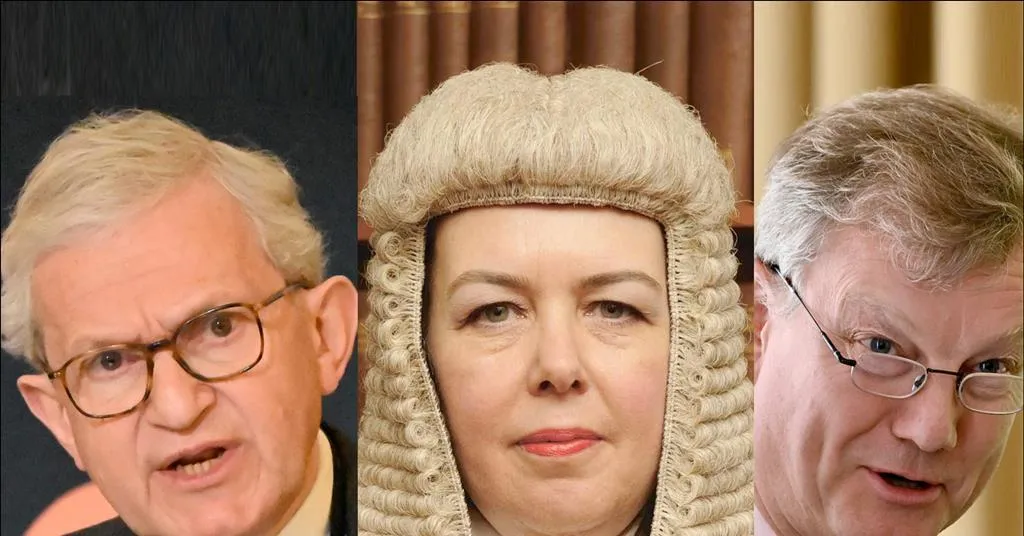
However, a decisive moment arrived when CILEX won an appeal in the Court of Appeal regarding the Mazur judgment, overturning a previous High Court ruling by Mr. Justice Sheldon. The leading judgment was delivered by Sir Colin Birss, Chancellor of the High Court, marking a significant shift in the legal framework. This ruling clarified that unauthorized individuals could conduct litigation under the supervision of an authorized lawyer, a change that many believe will have lasting implications for the legal profession.
The immediate effects of this ruling have been profound for all parties involved. CILEX’s chief executive, Jennifer Coupland, described the judgment as “the most consequential for legal services in recent history,” highlighting its importance not just for CILEX members but also for consumers seeking justice. The judgment emphasizes that while unauthorized individuals can assist in litigation, the responsibility ultimately rests with the authorized lawyer, ensuring that proper management, supervision, and control are in place.
However, the ruling has also introduced a level of uncertainty. Experts like Brett Dixon have pointed out that the judgment confirms the necessity of supervision, which will require further regulatory guidance. The Solicitors Regulation Authority welcomed the clarity provided by the Court of Appeal, but they also acknowledged that the judgment leaves unresolved questions that could lead to an increase in satellite litigation. As Julia Mazur and Jerome Stuart noted, if the judgment does not clearly define the boundaries between delegation and acting as a solicitor, it may leave firms, regulators, and clients to navigate these complexities without clear guidance.
Who is involved
The implications of the Mazur judgment extend beyond just CILEX and the Court of Appeal. Organizations like the Law Society and the Solicitors Regulation Authority are now tasked with interpreting the ruling and providing the necessary guidance to legal practitioners. The judgment has sparked conversations about how to better support ordinary people seeking justice, emphasizing the need for a diverse and competitive legal sector.
As the legal community grapples with the ramifications of this landmark ruling, it is clear that the Mazur judgment represents a moment of reset for legal services. It offers a chance to rethink how litigation is conducted and how unqualified individuals can be integrated into the legal process, ultimately aiming to enhance access to justice for all.
Details remain unconfirmed, but the potential for increased satellite litigation and the need for clearer definitions of delegation versus acting as a solicitor loom large. As the legal landscape continues to evolve, the Mazur judgment will undoubtedly be a focal point for discussions on the future of legal services in the UK.
You may also like