The Importance of Moldova in European Affairs
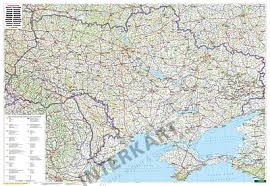
Moldova, a small landlocked country situated between Romania and Ukraine, has increasingly been the focus of regional and international attention. Nestled in Eastern Europe, Moldova possesses a rich cultural heritage and a strategic position that places it at the crossroads of Europe and Asia. Understanding Moldova’s current challenges, economic potential, and political landscape is vital as it navigates through transformative changes in its quest for integration into the European Union.
Recent Political Developments
In recent months, Moldova has experienced significant political shifts. In the 2021 parliamentary elections, the pro-European Party of Action and Solidarity (PAS) secured a decisive victory, promising reforms and a renewed focus on European integration. President Maia Sandu has been advocating for anti-corruption measures and democratic reforms, striving to distance the nation from Russian influence and shift towards a European path. These efforts have been welcomed by the European Union, with discussions surrounding increased support and potential EU membership progressing.
Socio-Economic Challenges
Despite these positive strides, Moldova grapples with various socio-economic challenges. Poverty remains a pressing issue, with approximately 25% of the population living below the national poverty line. The country’s economy, heavily reliant on agriculture, continues to face obstacles such as outdated infrastructure and a lack of investment. Furthermore, the ongoing impact of the COVID-19 pandemic has exacerbated existing vulnerabilities, limiting access to healthcare and social services.
Geopolitical Tensions and Security Concerns
The geopolitical landscape surrounding Moldova is fraught with complexity. The unrecognised breakaway region of Transnistria, supported by Russia, continues to pose a challenge to Moldova’s sovereignty, leading to ongoing tensions. Moreover, the war in Ukraine has heightened security concerns in the region, raising fears of potential spillover effects. In response, Moldova has been enhancing its defence cooperation with Western nations, seeking to bolster its security framework amidst these uncertainties.
Conclusion: The Road Ahead for Moldova
As Moldova moves forward, its journey remains delicate and intricate. The nation’s ambitious aspirations for European integration are contingent upon consistent political will, substantial reforms, and effective management of socio-economic challenges. International support will be crucial in helping Moldova navigate its path towards prosperity and stability. With the evolving geopolitical dynamics, Moldova stands at a pivotal moment in its history, one that could define its role in the broader European landscape for generations to come.
You may also like