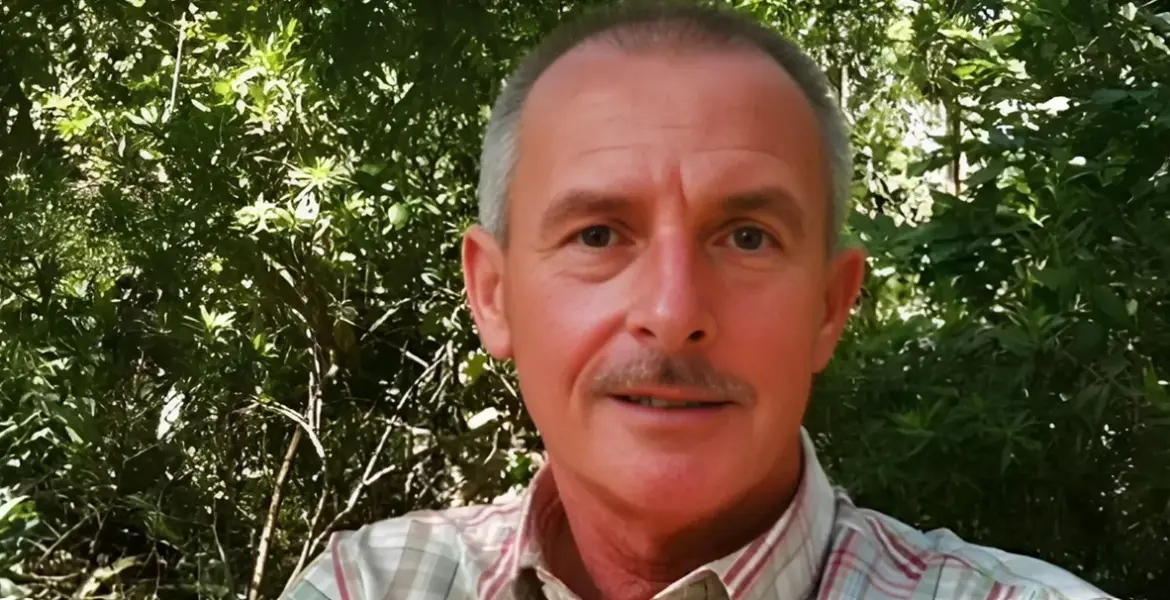
Historical Context of the Veevers Case
In Mombasa, the case of British businessman Harry Roy Veevers has lingered in the public consciousness for years. His body has been held in a mortuary at the Coast General Teaching and Referral Hospital due to a prolonged state-led investigation and inquest. This situation has left his family in a difficult position, as they are now seeking a waiver for a mortuary bill amounting to Sh2.6 million. The family’s request highlights the emotional and financial toll that such a prolonged process can impose on relatives of the deceased.
Decisive Developments
Recently, the inquest proceedings concerning Harry Roy Veevers concluded on August 12, 2025. This marked a significant turning point for the family, as they are now able to pursue the release of his remains for final rites and reburial. The lawyers representing the Veevers family have formally requested intervention to facilitate a waiver of the accrued mortuary fees, emphasizing the need for compassion in light of their prolonged ordeal. They stated, “We hereby formally request your intervention to liaise with the hospital management to facilitate a full waiver of the accrued mortuary fees and authorise the immediate release of the remains to our clients for final rites and reburial.”
Impact on the Family
The direct effects of this situation on the Veevers family are profound. The emotional burden of waiting for closure has weighed heavily on them, compounded by the financial strain of the mortuary fees. As they navigate the complexities of the legal and bureaucratic processes, the family seeks not only the release of their loved one but also a resolution that acknowledges their suffering. This case exemplifies the challenges faced by families entangled in lengthy investigations, where the intersection of legal procedures and personal grief can create significant hardships.
Energy Development in Mombasa
In a contrasting development, Kenya is planning to invest $2.9 billion in a gas-fired power plant near Mombasa Port. This project aims to enhance electricity production and address the increasing demand for electricity in the country. With a generation capacity of 1,200 megawatts, the power plant is part of Kenya’s broader strategy to expand its power generation capabilities. This ambitious initiative reflects a shift towards addressing energy needs while also aiming for a 100% clean power grid by 2030, treating liquefied natural gas (LNG) as a transitional fuel.
Expert Perspectives
Experts in the energy sector have noted that the development of the gas-fired power plant could significantly alter the energy landscape in Kenya. By increasing the generation capacity, the project is expected to alleviate some of the pressures associated with rising electricity demand. Furthermore, the emphasis on transitioning to cleaner energy sources aligns with global trends towards sustainability. However, the juxtaposition of this energy development against the backdrop of the Veevers family’s plight raises questions about the prioritization of projects and the human costs associated with bureaucratic delays.
As Mombasa stands at a crossroads with significant developments in both the legal case surrounding Harry Roy Veevers and the ambitious energy project, the outcomes of these situations will have lasting implications. The Veevers family seeks closure and compassion, while Kenya aims to bolster its energy infrastructure. The interplay between these narratives underscores the complexities of progress in a region grappling with both human and infrastructural challenges.
You may also like