Introduction
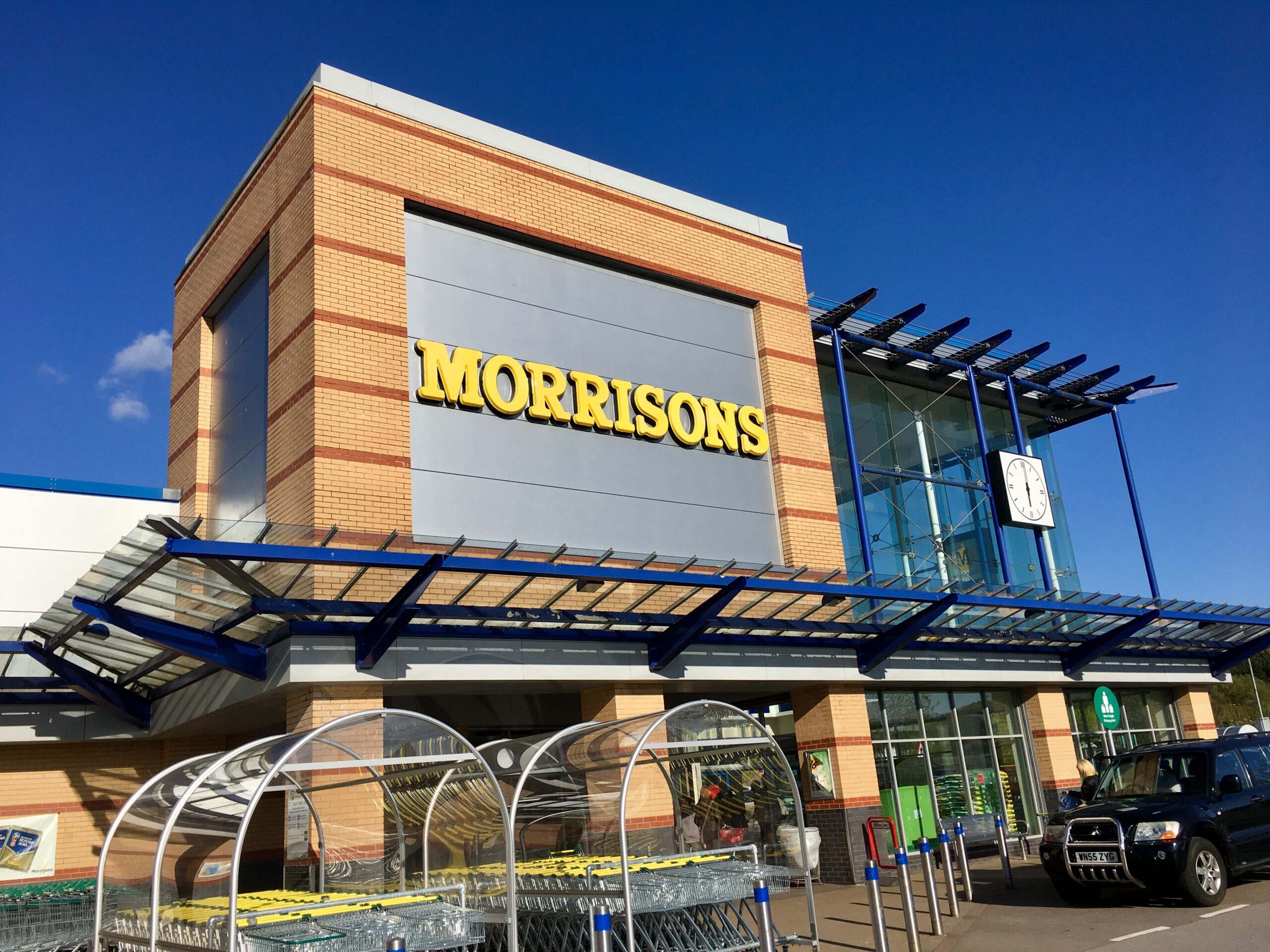
The announcement of several Morrisons stores closures has sent ripples through the UK retail landscape. With changing consumer behaviours and economic pressures, major supermarkets, including Morrisons, are adapting their strategies to maintain competitiveness. These closures not only impact employees and local communities but also raise questions about the sustainability of brick-and-mortar retail in an increasingly digital shopping environment.
Details of Store Closures
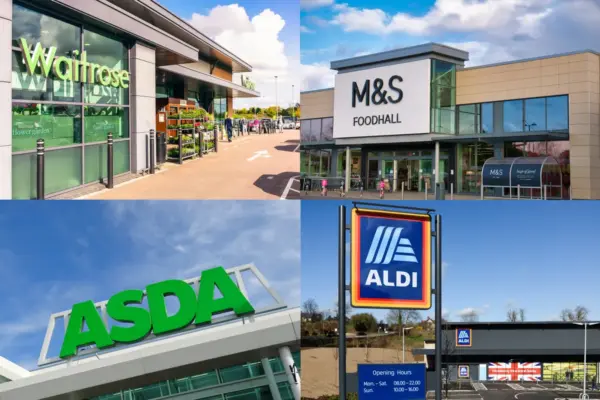
In recent reports, Morrisons confirmed plans to close a number of its underperforming stores across the UK. The company identified several locations where foot traffic and sales have significantly declined, primarily in metropolitan areas where competition from discount retailers has intensified. Analysts estimate that up to 50 stores could be shuttered in the coming months, part of a broader strategy to streamline operations and focus on the most profitable locations.
These closures come in the wake of Morrisons’ restructuring efforts after its acquisition by CD&R, a private equity firm. The aim is to enhance the supermarket group’s efficiency and adapt to a rapidly evolving retail environment, where online sales continue to grow. Furthermore, the shift in consumer preferences towards online grocery shopping exacerbates the challenges faced by physical stores.
Economic Impact and Employee Concerns
The impact of the closures is not just confined to Morrisons; it resonates throughout the local economies where these stores are situated. Job losses are expected, estimated to affect approximately 1,000 employees as positions are cut or moved to other locations. The union representatives and local politicians have expressed concern over the social implications of these layoffs, highlighting the need for adequate support for affected workers.
Moreover, communities may feel a void in essential services that these supermarkets provide. Many of the affected stores serve as vital points for access to fresh food and groceries, especially in areas with limited competition.
Conclusion
The closures at Morrisons represent more than just a corporate decision; they are a reflection of changing retail dynamics in the UK. As the landscape evolves, it is crucial for companies to find the balance between physical presence and online sales, ensuring sustainability in an increasingly digital world. Moving forward, shoppers may expect further adjustments from retailers as they respond to economic pressures and shifting consumer behaviours. While the closures pose immediate challenges, they may also signify an opportunity for Morrisons to reinforce its viability in the competitive grocery market.
You may also like