Introduction
NASA (National Aeronautics and Space Administration) has long been at the forefront of space exploration, technology, and scientific discovery. Established in 1958, NASA has not only contributed to advancements in our understanding of the universe but has also spurred technological innovations that have impacted everyday life on Earth. Recently, NASA has intensified its activities, making significant strides in both crewed and uncrewed missions, which highlight its ongoing relevance in the field of aerospace and science.
Recent Milestones
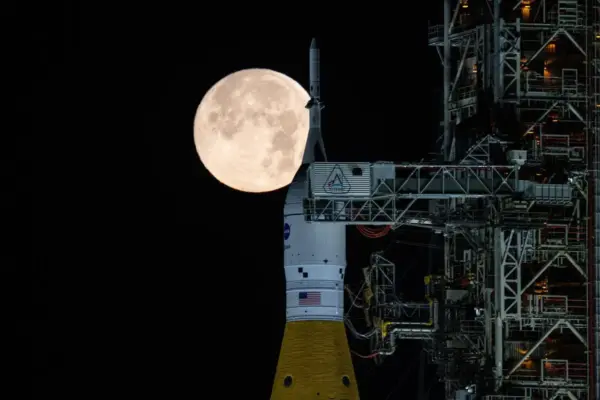
In 2023, NASA has achieved several remarkable milestones. The Artemis I mission, which successfully launched to the Moon, marked a pivotal point in NASA’s plans to return humans to lunar surfaces by 2025. The uncrewed test flight of the Space Launch System (SLS) rocket and Orion spacecraft demonstrated their capabilities in preparation for future missions. Following this, plans for Artemis II, set to be the first crewed lunar mission since Apollo, are already underway, reflecting NASA’s commitment to deep space exploration.
Scientific Endeavors and Discoveries
Apart from lunar exploration, NASA continues to lead a variety of space missions through its robust scientific agenda. The James Webb Space Telescope (JWST), launched in late 2021, has provided unprecedented images and data about celestial objects, from distant galaxies to exoplanets, enhancing our understanding of the cosmos. Its findings are expected to redefine scientific narratives surrounding the formation of stars and the likelihood of life on other planets.
Collaborations and Future Missions
Moreover, NASA’s collaborations with international space agencies, such as ESA (European Space Agency) and ISRO (Indian Space Research Organisation), have fostered joint projects like the Lunar Gateway—an essential component of future lunar exploration. Upcoming missions, including Mars Sample Return and the Europa Clipper, are on the horizon, aiming to explore the moons of Jupiter and collect samples from Mars, potentially paving the way for human colonization in the future.
Conclusion
As NASA continues to push the boundaries of what is possible in space exploration, its missions not only inspire generations but also have profound implications for scientific progress and international collaboration. As citizens of Earth, we are witnessing a renaissance in space exploration that could answer fundamental questions about our existence and the universe we inhabit. In the coming years, NASA’s advancements are likely to unveil new insights while solidifying humanity’s quest to explore beyond our world.
You may also like