Introduction
The National Aeronautics and Space Administration (NASA) is at the forefront of space exploration and science. Established in 1958, NASA’s mission extends beyond mere exploration; it seeks to enhance our understanding of Earth, develop new technologies, and inspire the next generation of scientists and engineers. The relevance of NASA’s work has never been more apparent, as global issues and the pursuit of knowledge increasingly revolve around space technology and innovative research.
Current Missions and Innovations
Nasa’s commitment to exploration continues to be highlighted in its ongoing projects. The Artemis program, aiming to return humans to the Moon by 2024, will not only pave the way for sustainable lunar exploration but is also seen as a stepping stone for future Mars missions. In October 2023, NASA successfully launched the Artemis I mission, which marked a significant milestone in their plans to send the first woman and the next man to the lunar surface.
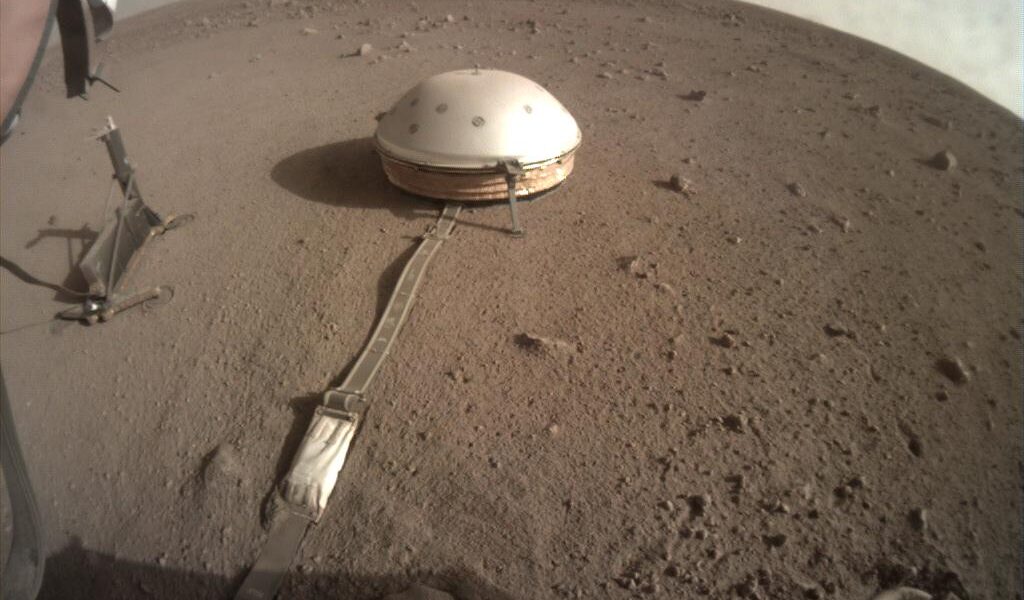
In tandem with lunar exploration, NASA is actively researching astrobiology, planetary systems, and the potential for life beyond Earth. Their Perseverance rover, which landed on Mars in February 2021, is equipped with advanced technology to search for signs of ancient life and collect rock samples for future return to Earth.
Technological Advancements and Public Engagement
Nasa’s advancements extend into atmospheric science, climate research, and satellite technology, which are critical in understanding and addressing climate change. Through collaborations with universities and private sectors, NASA is fostering rapid innovation. Moreover, their dedication to public engagement is evident through educational programs that encourage STEM (science, technology, engineering, and mathematics) fields among young people.
Conclusion
As we look to the future, NASA’s role remains vital in expanding our horizons in space exploration and scientific advancement. With ambitions set for Mars and beyond, the agency faces challenges that demand international cooperation and cutting-edge technology. The significance of NASA’s initiatives not only lies in their contributions to space science but also in the inspiration they provide to foster curiosity and innovation in society. As new missions develop, the agency will likely continue to play a pivotal role in unveiling the mysteries of the universe.
You may also like