On April 6, 2026, Hungary found itself at the center of a brewing crisis over natural gas security. Just days before, the atmosphere was charged with political tension as the country prepared for upcoming elections, and accusations of foreign interference loomed large.
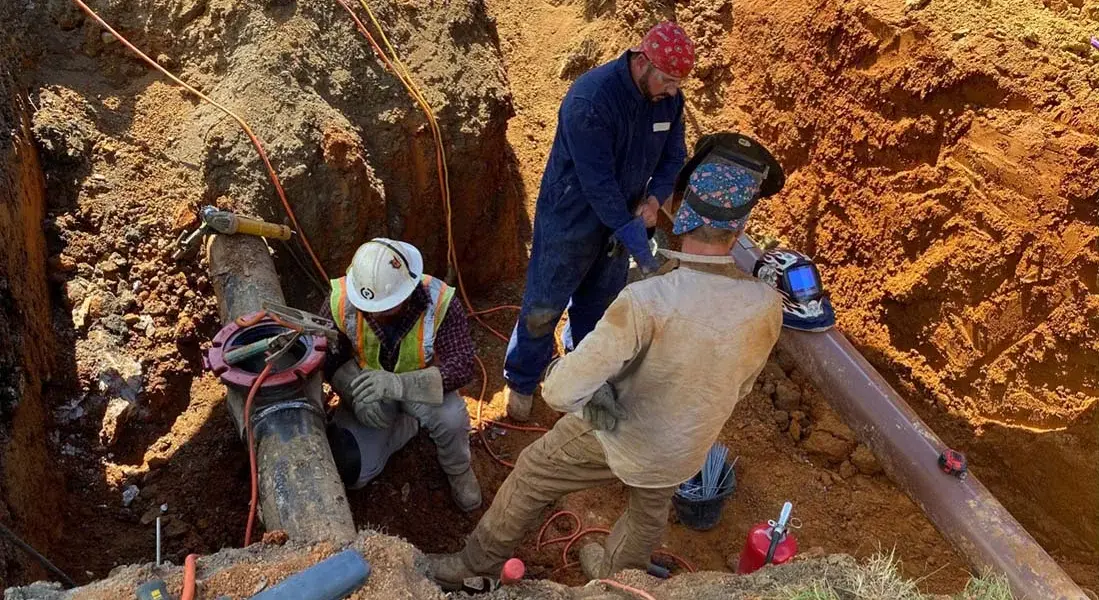
Events took a dramatic turn when explosives were discovered near a pipeline that carries Russian natural gas to Hungary. In response to these threats, Hungarian Prime Minister Viktor Orbán declared the pipeline a vital lifeline for the nation, prompting the government to place it under military protection.
Peter Buda, a government spokesperson, revealed that plans for a potential false-flag operation had been circulating since February, raising alarms about the safety of critical energy infrastructure in the region.
Meanwhile, the energy landscape in neighboring Greece has shifted significantly. In the first quarter of 2026, Greek natural gas exports quadrupled to 5.99 terawatt-hours, a stark contrast to the 1.44 terawatt-hours exported during the same period in 2025. This surge coincided with a remarkable 18.5% increase in total natural gas demand, reaching 26.42 terawatt-hours.
As Greece capitalizes on its energy exports, the geopolitical dynamics in the region continue to evolve. The South Pars natural gas complex in Iran, a crucial energy lifeline for the country, was recently targeted by an Israeli attack that destroyed significant petrochemical production facilities. This incident has raised concerns about the stability of Iran’s energy sector, which heavily relies on natural gas for electricity and heating.
Iran, the fourth-largest consumer of natural gas globally, now faces a daunting challenge as 50% of its petrochemical production and 85% of its petrochemical exports have been affected by the Israeli strikes. Israeli Prime Minister Benjamin Netanyahu declared, “Today we destroyed the largest petrochemical plant in Iran,” underscoring the severity of the situation.
In the midst of these developments, the United States has issued warnings regarding potential retaliatory actions if Iran continues to target energy infrastructure in Qatar. Former President Donald Trump stated that the U.S. would respond decisively, threatening to “massively blow up the entirety” of the field if necessary.
As Hungary fortifies its pipeline security, the implications of these events extend beyond its borders. The exact nature and origin of the explosives found near the pipeline remain unclear, and the broader consequences of the Israeli attacks on Iran’s energy infrastructure are still unfolding.
For Hungary, the stakes are high as it navigates a complex web of geopolitical tensions and energy dependencies. The current situation serves as a stark reminder of the fragility of energy security in a rapidly changing world.
You may also like