Introduction
Jaguar Land Rover (JLR), the UK’s largest automotive manufacturer, has recently been confronted with a series of challenges as it navigates a rapidly evolving automotive landscape. Amidst increasing competition and a global shift towards electric vehicles (EVs), JLR’s ability to adapt and innovate is crucial for its survival and growth. This article delves into the key challenges and developments currently facing JLR, highlighting its strategic responses and market implications.
Current Challenges
One of the most pressing issues for JLR is the transition towards electric mobility. With the UK government set to ban the sale of new petrol and diesel cars by 2030, JLR has committed to becoming a fully electric brand by 2025. This ambitious target requires significant investment in research and development, production infrastructure, and supply chain management. Currently, JLR is investing £2.5 billion annually in electrification, which is crucial for maintaining its competitive edge.
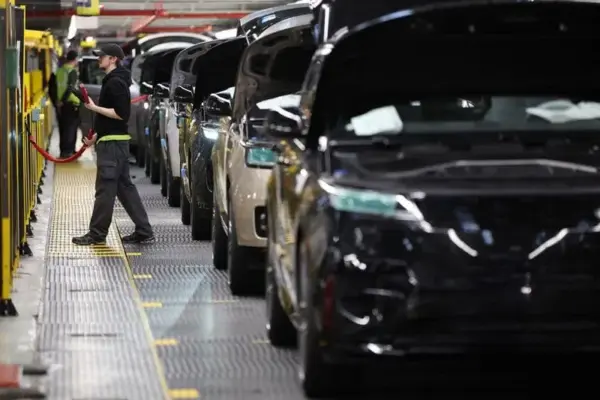
Moreover, the ongoing semiconductor shortage continues to impede production capabilities across the automotive industry, with JLR being no exception. Reports indicate that the company had to temporarily halt production in Solihull and Castle Bromwich earlier this year due to parts shortages, impacting sales and revenue.
Strategic Developments
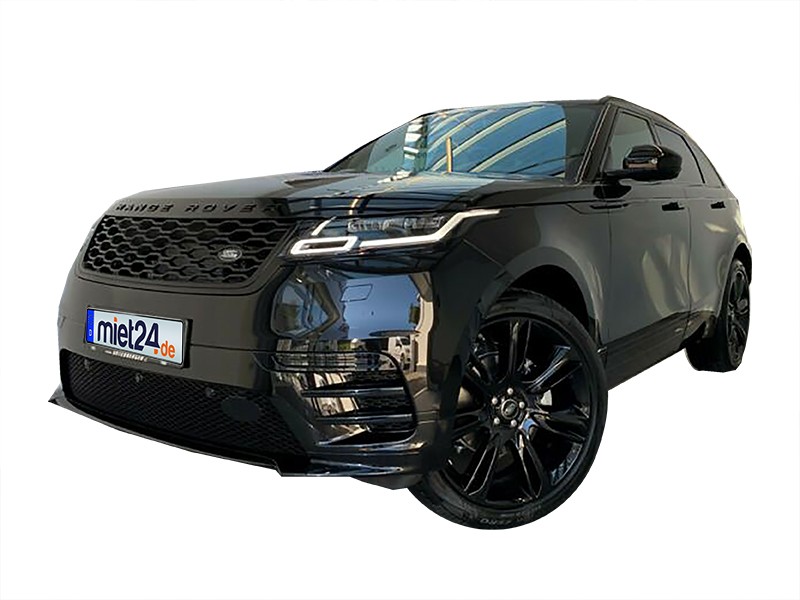
In response to these challenges, JLR has unveiled a new strategy aimed at reshaping its vehicle lineup and enhancing customer experience. The company recently revealed plans for six new electric models by 2025, including next-generation versions of the iconic Range Rover and Discovery vehicles. Additionally, JLR is exploring partnerships with tech firms to develop advanced software and connectivity features, recognising the importance of digital integration in modern vehicles.
Furthermore, the appointment of a new CEO, Adrian Mardell, in July 2022 brought fresh leadership perspectives to the firm. Mardell has emphasised a return to the brand’s luxury heritage while also focusing on sustainable practices and meeting climate targets.
Conclusion
The journey ahead for Jaguar Land Rover is both challenging and promising. As the company strives to solidify its position in the EV market and address global supply chain issues, its success will rely heavily on effective execution of its strategic plans and innovations in vehicle technology. For consumers and investors, the evolution of JLR will be closely watched, as it could set a precedent for other automotive manufacturers navigating similar transitions. The next few years will be pivotal for JLR’s future trajectory in an increasingly competitive and environmentally-conscious market.
You may also like