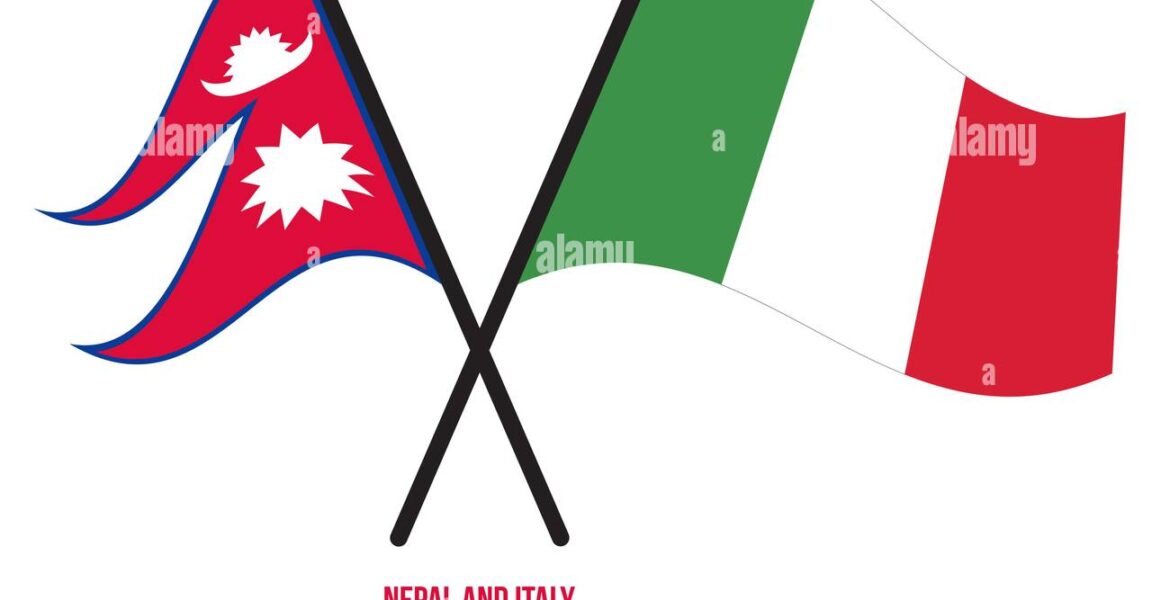
Introduction: Understanding Nepal and Italy
Nepal and Italy may be worlds apart, yet both countries boast rich histories, stunning landscapes, and vibrant cultures. Their differences reflect not only in geography but also in lifestyle, traditions, and global influence. This article aims to highlight key distinctions and similarities between Nepal and Italy, providing insights for travellers and cultural enthusiasts alike.
Geographical Overview
Nepal, nestled in the Himalayas, is renowned for its spectacular mountain ranges, including Mount Everest, the highest peak in the world. With diverse ecosystems, from tropical plains to high-altitude deserts, Nepal attracts trekkers and nature lovers. In contrast, Italy offers picturesque landscapes of rolling hills, historic cities like Rome and Florence, and stunning coastlines along the Mediterranean. Though both countries exhibit stunning natural beauty, they cater to different types of outdoor enthusiasts.
Cultural Heritage
Nepal is a melting pot of cultures, with over 120 ethnic groups and multiple languages. Its traditions are deeply rooted in Hinduism and Buddhism, with festivals like Dashain and Tihar drawing crowds from all over the world. In contrast, Italy’s cultural heritage is profoundly influenced by its history as the heart of the Roman Empire and later, the Renaissance. Art, cuisine, and architecture are vital components of Italian heritage, with iconic landmarks like the Colosseum and Vatican City.
Climate Conditions
The climate in Nepal varies drastically by region, ranging from tropical in the Terai plains to alpine in the high altitudes. This diversity allows for various agricultural practices and ecological environments. Italy, being in a temperate zone, experiences a Mediterranean climate characterized by hot, dry summers and mild, wet winters. Both countries’ climates significantly influence their agricultural outputs, lifestyle, and tourism seasons.
Economic Factors
Economically, Italy ranks as one of the strongest economies in Europe, heavily relying on manufacturing, fashion, and tourism. On the other hand, Nepal is classified as a developing nation that mainly depends on agriculture, remittances, and tourism, particularly focused on trekking and adventure sports. The economic frameworks of both countries reflect their geographical contexts and cultural histories.
Conclusion: The Significance for Global Understanding
The comparison of Nepal and Italy highlights not only their unique identities but also the beauty of cultural diversity across the globe. Understanding these differences is vital for fostering international relations and enhancing tourism. As global travel resumes post-pandemic, both nations present unique opportunities for exploration, learning, and cultural exchange, making them relevant destinations for those seeking to broaden their horizons.
You may also like