Introduction
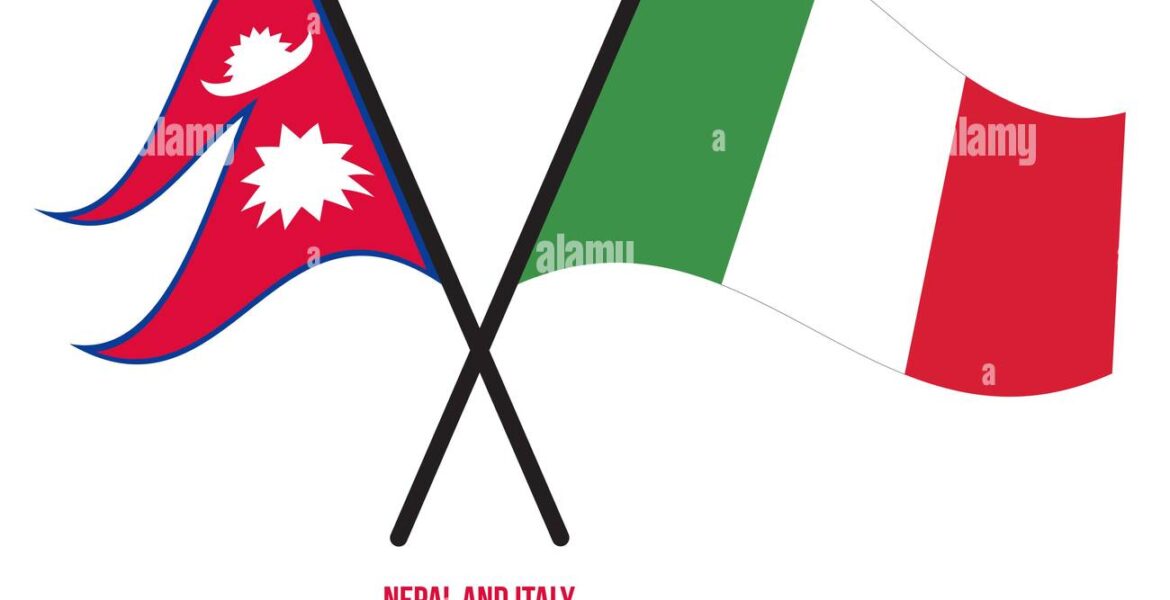
The comparison between Nepal and Italy presents a fascinating exploration of two vastly different cultures, histories, and landscapes. Nepal, a landlocked country nestled in the Himalayas, is renowned for its breathtaking mountains, temples, and rich traditions. On the other hand, Italy, recognised for its art, architecture, and historical significance, offers a diverse tapestry woven from ancient to modern times. Understanding their differences and similarities helps appreciate the unique identities each country holds.
Cultural Richness
Nepal’s culture is deeply rooted in its traditions, influenced by Hinduism and Buddhism, which manifest in its festivals, dances, and art. Major festivals like Dashain and Tihar are celebrated with great fervour and illustrate the community’s rich spiritual heritage. In stark contrast, Italy boasts a wealth of cultural practices stemming from its Roman heritage and Renaissance art. Cities like Florence and Rome are invaluable in world history, hosting masterpieces from Michelangelo to Da Vinci, and of course, are famous for their unique culinary traditions.
Historical Context
Nepal’s history dates back over two millennia, with the first known kingdom established in the Kathmandu Valley. Its strategic location on ancient trade routes contributed to its rich cultural melting pot. Notably, the Lichhavi and Malla dynasties enriched its historical landscape. Italy’s history, however, is distinguished by the rise of the Roman Empire, which has left a lasting legacy on governance, law, and infrastructure that resonates today. The fall of Rome initiated the Middle Ages, a period that spawned the Italian Renaissance, highlighting the birth of modern art and science.
Tourism and Economy
Tourism plays a pivotal role in both Nepal and Italy’s economies, yet they target different audiences. Nepal attracts adventure enthusiasts and those seeking spiritual solace amidst nature in the form of treks to Everest or visits to ancient temples. In 2019, Nepal welcomed over 1.2 million tourists, significantly contributing to its GDP. Conversely, Italy, with landmarks like the Colosseum and the canals of Venice, is among the top tourist destinations globally, drawing over 60 million visitors annually, bolstering its diverse economy driven by fashion, automotive, and agriculture.
Conclusion
In summary, while Nepal and Italy emerge from distinctly different backgrounds, their rich cultural tapestries offer valuable insights into human history and various worldviews. Each country contributes uniquely to the global cultural mosaic. Observing and appreciating these differences enriches our understanding of our shared human experience. Looking ahead, as both nations continue to develop their tourism and cultural sectors, they present ample opportunities for international collaboration and exchange.
You may also like