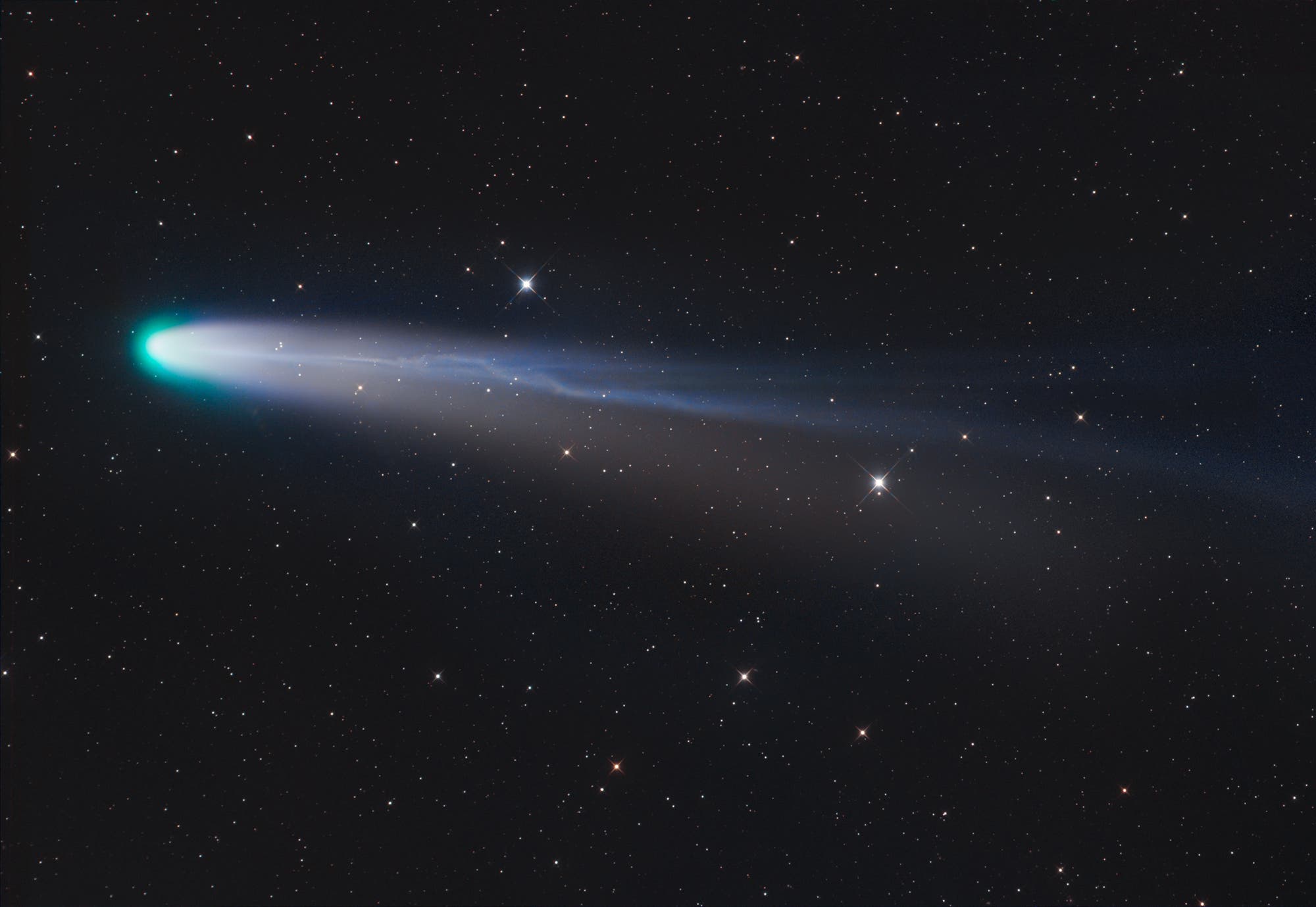
The Importance of Understanding the Universe
The universe, a vast and complex entity, has fascinated humanity for centuries. Understanding its origins, composition, and eventual fate is paramount for astronomers and scientists. Recent advancements in technology and research have made significant strides in our grasp of the cosmos, revealing astonishing details about its structure and the nature of space and time.
Recent Discoveries and Advancements
One of the most groundbreaking developments has been in the field of exoplanet discovery. As of 2023, NASA’s Kepler Space Telescope and various ground-based observatories have identified thousands of planets beyond our solar system. These findings have expanded our knowledge about planetary systems and the likelihood of life elsewhere in the universe. Furthermore, researchers have discovered various types of exoplanets, including those resembling Earth, which could harbour life.
Additionally, the James Webb Space Telescope (JWST), launched in late 2021, has begun sending back vivid images of distant galaxies and star formations. Its advanced capabilities allow for unprecedented observations of the universe’s earliest galaxies, providing clues about the formation of structured celestial bodies shortly after the Big Bang.
The Study of Dark Matter and Dark Energy
Moreover, current research on dark matter and dark energy continues to challenge our understanding. Approximately 95% of the universe is believed to be made up of dark matter and dark energy, both of which remain largely elusive. Scientists, including those from the European Space Agency, are working on projects like the Euclid mission to unravel the mysteries surrounding these phenomena. Understanding their roles could significantly alter our grasp of physics and the dynamics of cosmic expansion.
The Importance of Ongoing Research
As we learn more about the universe, we also gain insight into fundamental questions surrounding our own existence. Each discovery fuels the curiosity and imagination of scientists, educators, and the general public alike. Major space events, such as solar eclipses or meteor showers, now serve as opportunities for both scientific research and public engagement, encouraging broad participation in the journey of discovery.
Conclusion: A Universe of Possibilities
In conclusion, the universe remains one of the final frontiers of human understanding. Recent discoveries have not only expanded our knowledge beyond our own planet but have also underscored the interconnectedness of all cosmic phenomena. As technology improves and new missions are launched, the potential for further groundbreaking revelations increases. The significance of these findings is profound, as they help shape our understanding of existence itself, ultimately leading us deeper into the vast unknown of the cosmos.
You may also like