Introduction
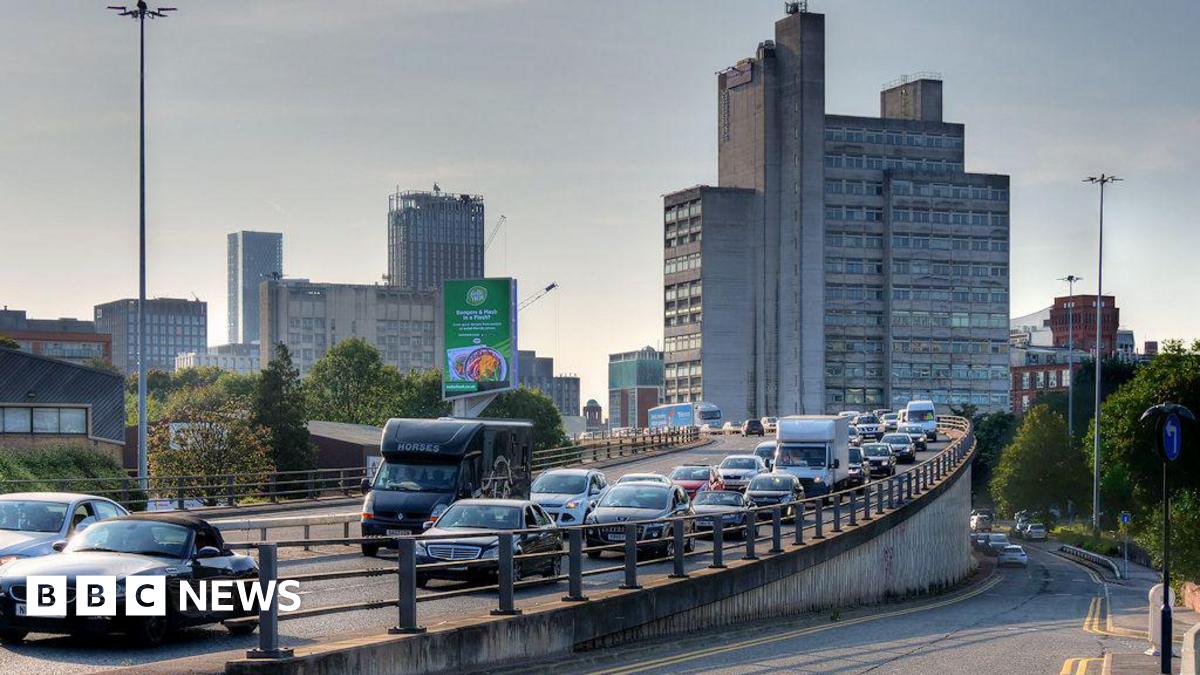
The Nexus Metro is emerging as a transformative force in urban transport, addressing the growing need for efficient and sustainable public transit solutions in major cities. With increasing traffic congestion and environmental concerns, the relevance of advanced metro systems like Nexus Metro cannot be overstated.
Current Developments
Several cities around the world are investing heavily in expanding their metro services, with Nexus Metro at the forefront of innovation. Recently, the Nexus Metro project was announced in London, aiming to connect underserved urban areas with rapid transit links. This project will not only provide a reliable transportation alternative but also enhance economic opportunities in those areas.
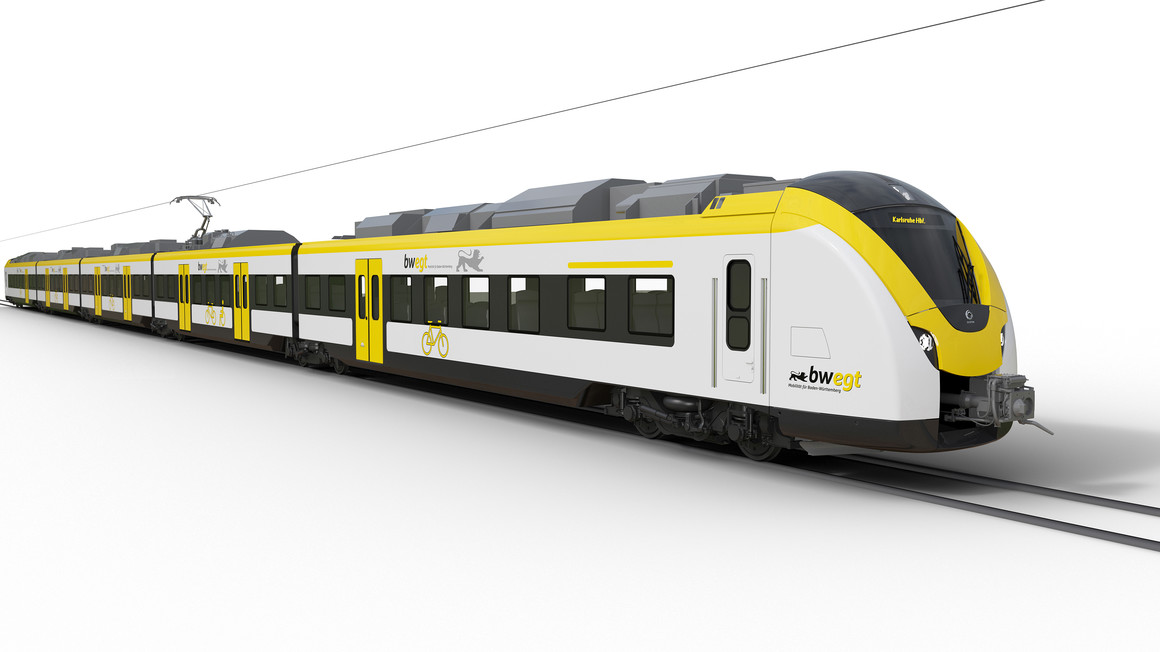
The Nexus Metro design includes state-of-the-art technology, such as automated trains and digital ticketing systems, to improve efficiency and user experience. Additionally, the implementation of green technologies, like energy-efficient trains and sustainable construction practices, highlights the initiative’s commitment to reducing carbon emissions and promoting sustainability.
Benefits to Urban Communities
The introduction of Nexus Metro systems is projected to have vast implications for urban communities. By easing transportation bottlenecks, Nexus Metro aims to reduce commute times significantly, thus improving the quality of life for residents. According to recent studies, the availability of efficient public transit leads to increased local business revenues and enhances access to essential services like education and healthcare.
Moreover, Nexus Metro aims to integrate with existing transport services, providing a seamless travel experience via intermodal connections. Such integration will offer passengers the flexibility to switch between different modes of transportation, further promoting the use of public transport over private vehicles.
Future Outlook
As cities continue to grow, the innovative solutions provided by Nexus Metro are likely to become essential components of urban planning. The project is anticipated to not only cope with the increasing demands of urban mobility but also set a precedent for other cities contemplating similar advancements.
Experts predict that widespread implementation of Nexus Metro systems could fundamentally reshape urban landscapes and contribute to the development of smarter, greener cities. As we stand at the brink of significant changes in urban transport, the Nexus Metro’s role in shaping the future cannot be overlooked.
Conclusion
The Nexus Metro represents a vital evolution in urban transportation, poised to resolve many of the pressing issues faced by cities today. Its emphasis on efficiency, sustainability, and accessibility makes it a beacon of hope for future transport solutions. As projects unfold, communities will likely see the numerous benefits that come from investing in robust and innovative metro systems.
You may also like