The Importance of Nigeria
As the most populous country in Africa, Nigeria plays a pivotal role on the continent, both culturally and economically. Its vast resources and diverse cultures make it a critical player in the African landscape. With over 200 million inhabitants, Nigeria is not only rich in natural resources but also in traditions, languages, and ethnicities. Understanding Nigeria’s current events and developments is crucial for anyone interested in African affairs or global economics.
Current Events and Developments
As of late 2023, Nigeria is facing a myriad of challenges and opportunities. The recent general elections, held in February, were marked by significant political turbulence, yet they demonstrated a growing engagement of the electorate, particularly among younger voters. This shift in voter dynamics indicates a desire for change and reform, reflecting a broader trend across Africa.
Elections aside, Nigeria’s economy is experiencing a phase of transformation. The potential of the tech industry, especially in Lagos, is becoming increasingly apparent. According to a report by the International Finance Corporation, Nigeria’s tech ecosystem is projected to yield about $15 billion in various sectors by 2025.
In the agricultural sector, innovations in farming techniques and sustainability practices are critical as Nigeria seeks to improve food security and reduce dependence on food imports. The government’s focus on supporting local farmers is seen as a pivotal step towards achieving these goals.
Societal and Environmental Challenges
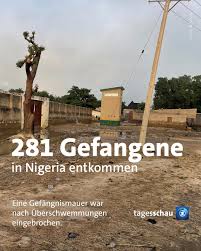
However, the road ahead is fraught with challenges. Nigeria continues to grapple with security issues, including insurgency in the Northeast and banditry in the Northwest. These security concerns hinder economic growth and discourage foreign investment, despite the country’s vast potential.
The socio-economic disparities are also pronounced, with many Nigerians living in poverty despite the nation’s wealth of oil and resources. The government’s attempt to curb inflation and stabilise the economy is undergoing scrutiny as the Naija currency continues to struggle against global currencies.
Conclusion: Looking Forward
Nigeria’s path forward is complex but filled with potential. The drive toward democratic engagement, technological advancement, and agricultural reform offers glimpses of hope for future growth. As Nigeria continues to navigate its challenges, watching its evolution becomes increasingly vital for stakeholders both within and outside the country. With the right policies and sustained international support, Nigeria could emerge as a key player on the global stage.
You may also like