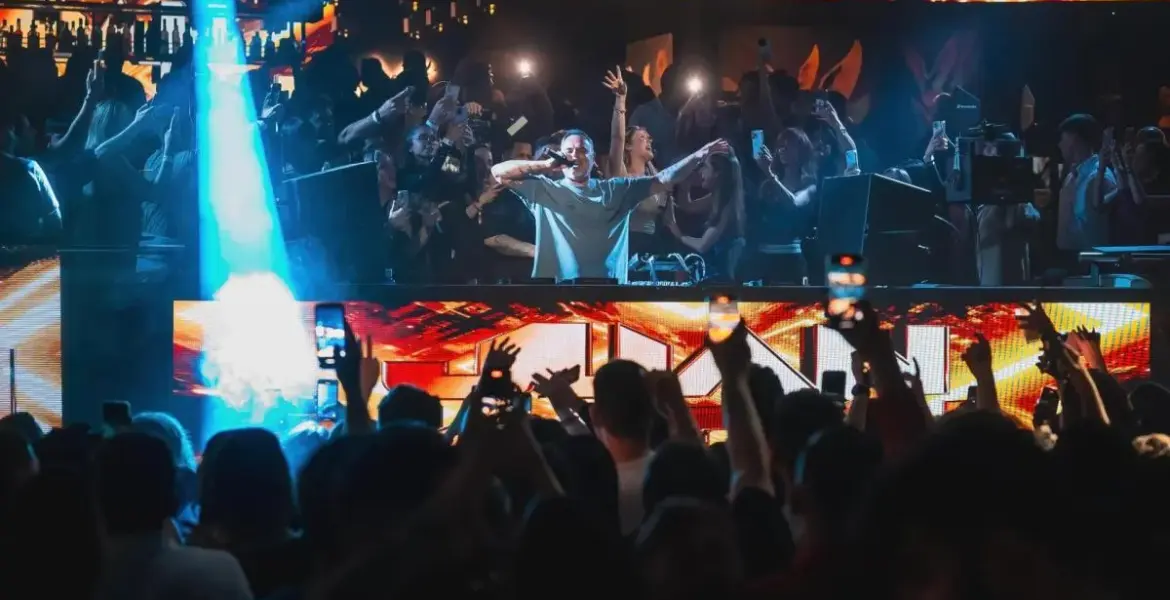
As Mallorca’s nightlife gears up for the summer season, the island is facing a stark reality: revenue is expected to dip further in 2026 due to dwindling tourist spending and a loss of local patrons. In contrast, Liverpool has emerged as one of the safest cities for nightlife, even amidst ongoing safety concerns among women and the LGBT+ community.
The vibrant clubs and bars of Mallorca once buzzed with tourists eager to experience its famed nightlife. But last year, attendance dropped significantly—an alarming trend that’s set to continue. Miguel Pérez-Marsá, a local business owner, expressed his frustration: “We were already coming off a slow year, and now the forecast is for even lower attendance and, consequently, lower revenue.” To combat this decline, many clubs are shortening their opening hours and focusing on weekend crowds.
Meanwhile, Liverpool paints a different picture. Over 60% of residents report feeling safe walking around the city center after dark. The city boasts Purple Flag accreditation for sixteen consecutive years—an indication of its commitment to a safe night-time economy. Yet, this recognition doesn’t erase the fears that linger within vulnerable communities. A staggering 75% of people in the LGBT+ community and 71% of women report feeling at risk of harassment or assault during nights out.
The city’s response has been proactive. Initiatives like the night-time safety charter aim to enhance training for bar staff on harassment prevention. Clive Duffey from Ask for Clive noted how crucial it is for venues to foster inclusivity: “Our sticker is placed at the front door of venues to recognise them as an inclusive hate-free space… it’s about venues creating a culture of safety.” Over 125 businesses have signed onto this charter, showcasing a collective effort towards improving nightlife safety.
But improvements can always be made. Joe Maguire from Liverpool BID Company stated, “Improvements to safety can always be made; some venues do enough but some don’t.” This sentiment reflects an ongoing dialogue about balancing vibrant nightlife with the need for security—especially for those who often feel marginalized.
As Mallorca struggles with its economic outlook, Liverpool’s example offers valuable lessons about prioritizing safety while fostering an inclusive environment. The contrasting narratives highlight how essential it is for cities to adapt and respond to their communities’ needs in order to thrive.
With Mallorca’s clubs shortening their hours and Liverpool’s businesses stepping up their safety measures, both locales illustrate different facets of the evolving night-time economy—one grappling with decline while the other strives for improvement amidst challenges.
You may also like