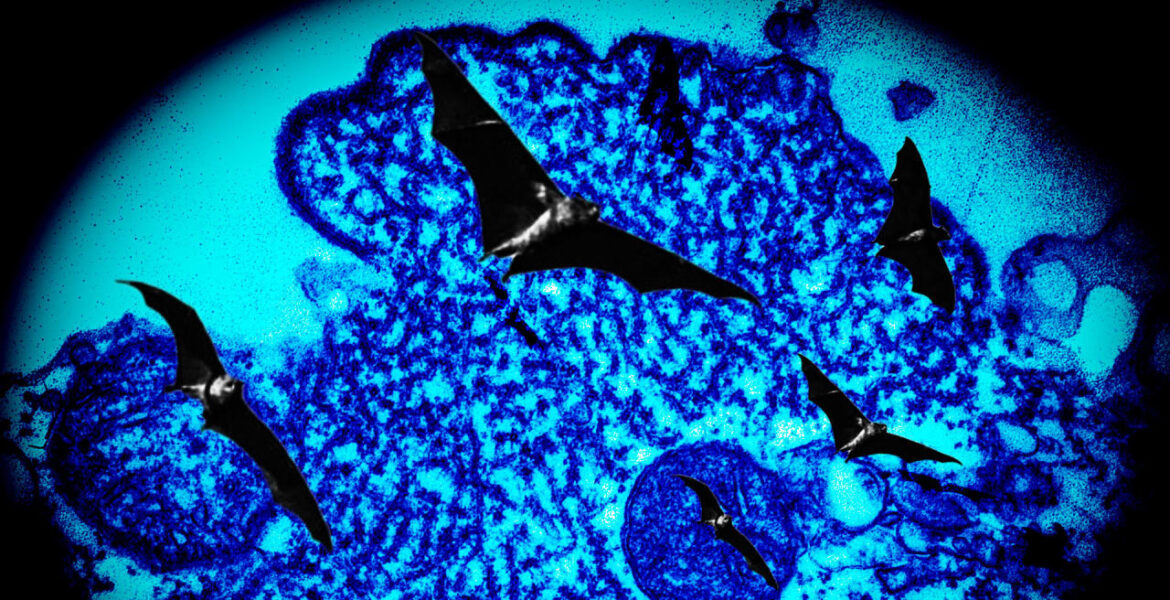
Understanding the Nipah Virus
The Nipah virus is a zoonotic pathogen that poses significant health risks to both humans and animals. Identified for the first time in Malaysia in 1998, it can cause severe respiratory illness and inflammation of the brain. Given its epidemic potential, the Nipah virus has garnered attention in both the medical and public health communities.
Recent Outbreak in India
As of October 2023, India is experiencing a resurgence of the Nipah virus, particularly in the southern state of Kerala. The state reported its first case of the year in mid-September, involving a 12-year-old boy who later succumbed to the illness. This tragic development has prompted public health initiatives to prevent further transmission.
Kerala’s health department has heightened surveillance and testing protocols in districts known to be at risk. Officials recommend vigilant monitoring of individuals who might have come into contact with confirmed cases, and they are conducting extensive contact tracing. As of now, several suspected cases are under investigation, and health authorities are calling for caution among the public.
The Government Response
The Indian government has mobilised resources to manage the outbreak effectively. A task force has been established to coordinate efforts across multiple sectors, including healthcare, agriculture, and veterinary services. Public awareness campaigns are being launched to educate citizens about the symptoms of the virus and prevention methods, emphasising the importance of avoiding raw fruits and potential bat contamination.
Moreover, healthcare facilities are being equipped to handle potential cases, and there is active collaboration with multinational health organisations to expedite research into effective vaccines and treatments.
Implications for Public Health
The emergence of the Nipah virus in India showcases the growing need for robust health systems capable of responding to emerging infectious diseases. Experts caution that the interplay of factors, including ecological changes and increased human-animal interactions, may exacerbate future outbreaks.
As scientists continue to study the virus and develop preventive measures, it is critical for individuals in affected areas to remain aware of the symptoms, such as fever, headache, and respiratory distress. Prompt medical attention is essential for anyone experiencing these signs after potential exposure.
Conclusion
While the current Nipah virus outbreak in India has raised alarms, the commitment of the government and public health officials to mitigating its spread is encouraging. Continued vigilance, public cooperation, and scientific research are vital to controlling this virus and safeguarding public health in the region.
You may also like