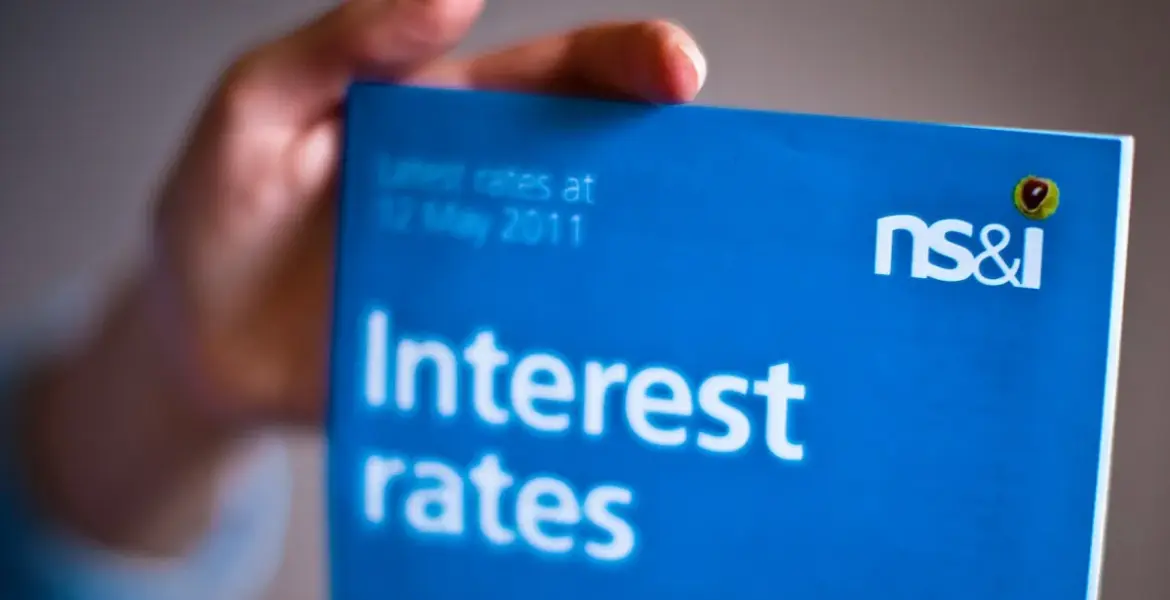
As the sun rose on May 1, 2026, UK savers found themselves greeted by some welcome news. NS&I announced significant rate hikes across its guaranteed growth and income bonds, just as many were feeling the pinch of rising inflation and stagnant wages.
The announcement came as part of NS&I’s routine adjustments to attract more deposits, aiming to meet their financing targets. The timing couldn’t be better — with the Bank of England’s interest rates still fluctuating, savers were looking for a reliable place to park their cash.
New bond rates:
- The one-year British savings bond rate increased from 4.07% to 4.5% AER.
- The two-year bond rate rose from 3.98% to 4.48% AER.
- The three-year bond rate increased from 4.02% to 4.45% AER.
- The five-year bond rate went up from 4.05% to 4.4% AER.
These changes mark a crucial development for savers who have been navigating through an unpredictable economic landscape. With inflation rates gnawing away at purchasing power, every percentage point counts. Anna Bowes, a financial expert, pointed out that “this choice can be important, particularly for those who pay tax on their savings.”
NS&I’s adjustments also affect its popular Premium Bonds, which remain a favorite among many Brits hoping for a cash lottery win instead of fixed interest returns. Currently, the maximum holding for Premium Bonds stands at £50,000, with a prize fund rate of 3.3%. However, the odds of winning remain steep — at about 23,000 to one for each £1 Bond.
Dan Coatsworth highlighted how NS&I effectively competes with traditional banks as a trusted savings brand: “It’s extremely popular with individuals up and down the country.” This popularity is likely due to the perceived security of government-backed savings options amidst financial uncertainty.
As these new rates take effect, many are left wondering how they will influence saving habits across the nation. Will more people flock to these bonds in search of better returns? Or will they continue exploring other avenues for their savings? The evolving landscape of financial services suggests that this might just be the beginning of a more competitive environment for UK savers.
You may also like