Introduction
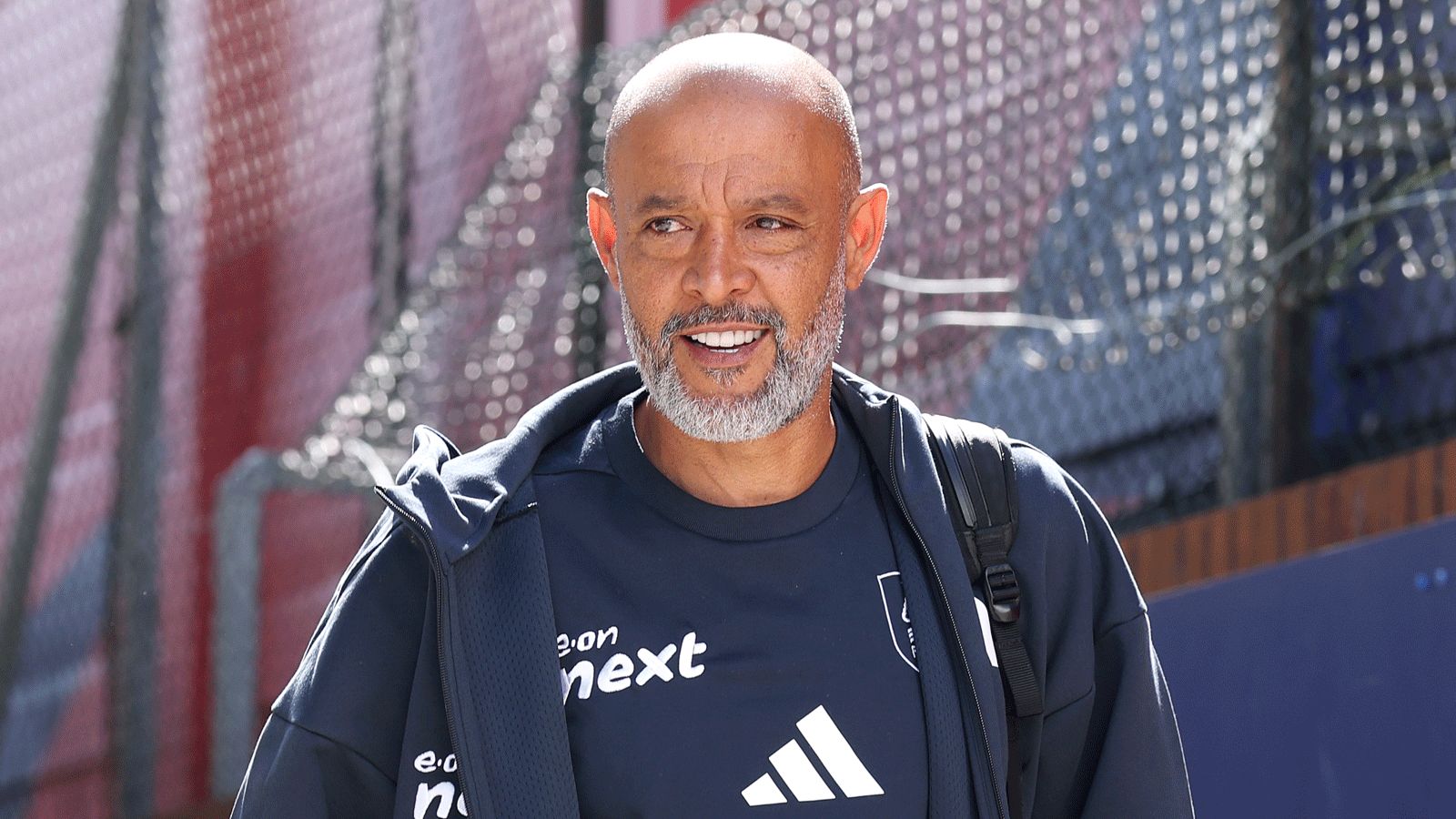
Nuno Espírito Santo has emerged as a prominent figure in the world of football management, captivating fans and pundits alike with his tactical acumen and leadership skills. His recent successes have made him a hot topic in discussions about the future of football management. As clubs look for dynamic leaders to drive performance, Nuno’s innovative approaches and results have placed him at the forefront of potential managerial candidates for top-tier clubs.
The Rise of Nuno Espírito Santo
Born in São Tomé and Príncipe, Nuno Espírito Santo began his career as a professional goalkeeper before transitioning to coaching. His managerial journey gained momentum at the Portuguese club Olhanense, but it was his tenure at Wolverhampton Wanderers that catapulted him into the limelight. Under his leadership from 2017 to 2021, Wolves achieved impressive back-to-back promotions to the Premier League and secured competitive mid-table finishes against significant opposition.
Following his success at Wolves, Nuno took charge of Tottenham Hotspur in 2021, albeit for a brief period. His appointment at Spurs was met with high expectations, but circumstances led to his exit after only four months, sparking debate over his management style and adaptability in varying environments.
Current Developments
As of October 2023, Nuno is at the helm of Saudi Arabian club Al-Ittihad, where he has already made significant waves in the Saudi Pro League. His leadership has transformed the club into title contenders, thanks in part to high-profile signings and a renewed tactical philosophy that emphasises attacking football and player development. Such achievements raise the question of whether his time in the Middle East might lead to future opportunities within Europe’s elite leagues once again.
Conclusion
Nuno Espírito Santo’s journey illustrates the fluctuating nature of football management, where success can quickly lead to new opportunities or unforeseen challenges. His continued impact in the Saudi Pro League showcases the potential for skillful managers to thrive in a variety of competitive landscapes. As European clubs look for new leaders to guide them, it will be interesting to see if Nuno’s successful stint abroad opens doors back into the Premier League or elsewhere in Europe.
Fans and analysts will undoubtedly be watching his progress closely, as his career developments could influence future managerial trends in football. Regardless of where he ends up, Nuno Espírito Santo’s approach to management reinforces the importance of adaptability and vision in the modern game.
You may also like