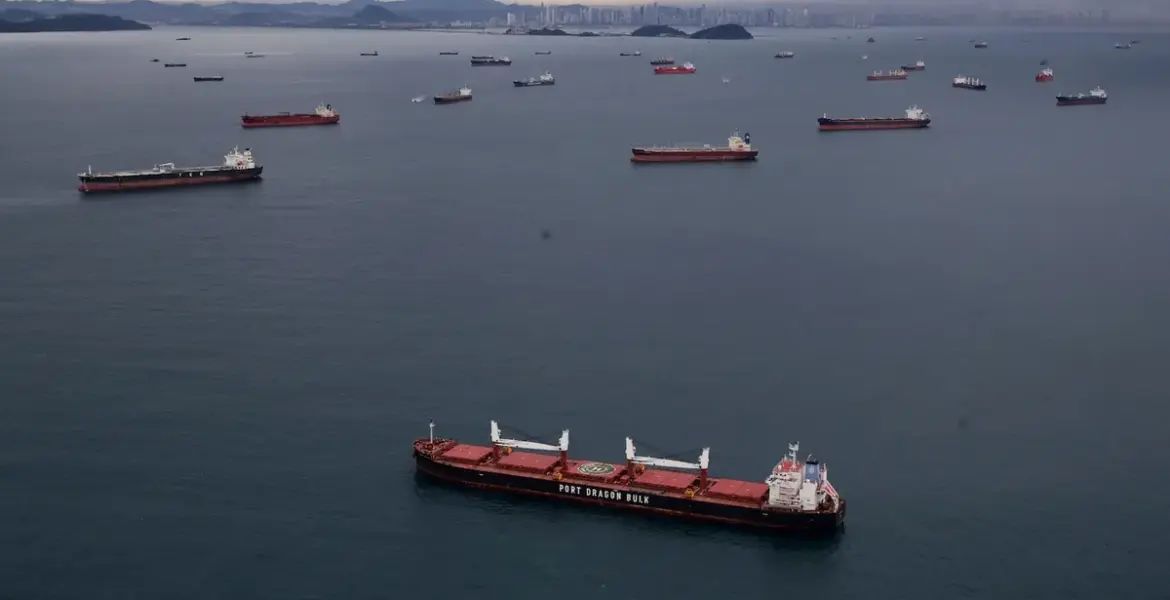
In April 2026, the Panama Canal transformed into a battleground for escalating geopolitical tensions between the United States and China. The situation intensified when accusations arose that China had detained numerous Panama-flagged vessels, a claim China vehemently denied. This conflict is reshaping global trade dynamics, with significant implications for maritime commerce.
The roots of this dispute trace back to Panama’s Supreme Court, which annulled contracts earlier this year that allowed CK Hutchison to operate key port terminals. This decision came amid rising scrutiny over foreign influence in Panama’s infrastructure—an area of strategic interest for both the US and China. As the court’s ruling reverberated through the region, it heightened tensions already present in the maritime trade landscape.
Key statistics:
- The average number of daily transits through the Panama Canal surged from 34 in January to 37 in March 2026.
- Some vessels have reportedly paid up to USD 4 million to bypass lengthy queues.
- In March alone, nearly 70 Panama-flagged ships were detained in Chinese ports, a figure that far exceeds historical norms.
Marco Rubio articulated concerns about these developments: “Panama is a pillar of our maritime trading system, and as such must remain free from any undue external pressure.” Meanwhile, Laura DiBella emphasized the potential ramifications for US shipping due to these actions, highlighting how they could lead to significant commercial and strategic consequences.
You may also like