Introduction
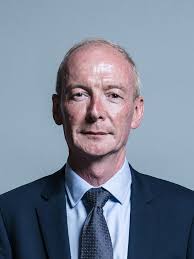
Pat McFadden is a significant figure in UK politics, holding the role of Shadow Chief Secretary to the Treasury and serving as the Member of Parliament (MP) for Wolverhampton South East. His work extends beyond mere political responsibilities, as he actively engages in shaping economic policies and advocating for social issues. Understanding McFadden’s contributions is crucial in the context of the current political landscape and the ongoing discussions surrounding economic recovery and social equality.
Profile and Career
Born on 29th December 1966, McFadden has a rich history in politics, having first been elected as an MP in 2005. His career began in academia, followed by various roles in the private sector, where he gained valuable insights into the challenges businesses face. This background informs his current role within the Labour Party, where he utilises his knowledge to inform policy-making.
As Shadow Chief Secretary to the Treasury, McFadden plays a crucial role in scrutinising the government’s financial decisions and advocating for Labour’s economic policies. He has been a vocal critic of the current government’s economic handling, particularly in light of the cost-of-living crisis that has affected many across the UK. His efforts aim at ensuring a fairer economic system that benefits all citizens, particularly the most vulnerable.
Recent Developments
In recent months, McFadden has been involved in several high-profile debates concerning the UK’s fiscal strategy. Following the government’s mini-budget and subsequent financial turmoil, he has called for a reassessment of spending priorities, arguing that investments in public services should be prioritised to support the economy’s recovery. Furthermore, he has advocated for measures to tackle tax evasions and close loopholes, creating a more equitable taxation system.
McFadden has also made headlines for his position on climate change, advocating for increased investment in green technologies and renewable energy. His proposals align with Labour’s broader agenda to achieve net-zero carbon emissions by 2050, thus placing him at the forefront of the party’s environmental initiatives.
Conclusion
Pat McFadden exemplifies the role of a modern politician, balancing his duties between economic scrutiny and social advocacy. As the UK faces numerous challenges ahead, including recovery from the pandemic, cost-of-living issues, and climate change, McFadden’s contributions could significantly shape the Labour Party’s strategies. His work not only impacts his constituents in Wolverhampton but also resonates on a national level, making understanding his political journey vital for those interested in current UK affairs. As we approach the next election cycle, all eyes will be on McFadden and his continuing efforts to influence UK politics towards a more equitable and sustainable future.
You may also like