The Importance of Meteor Showers
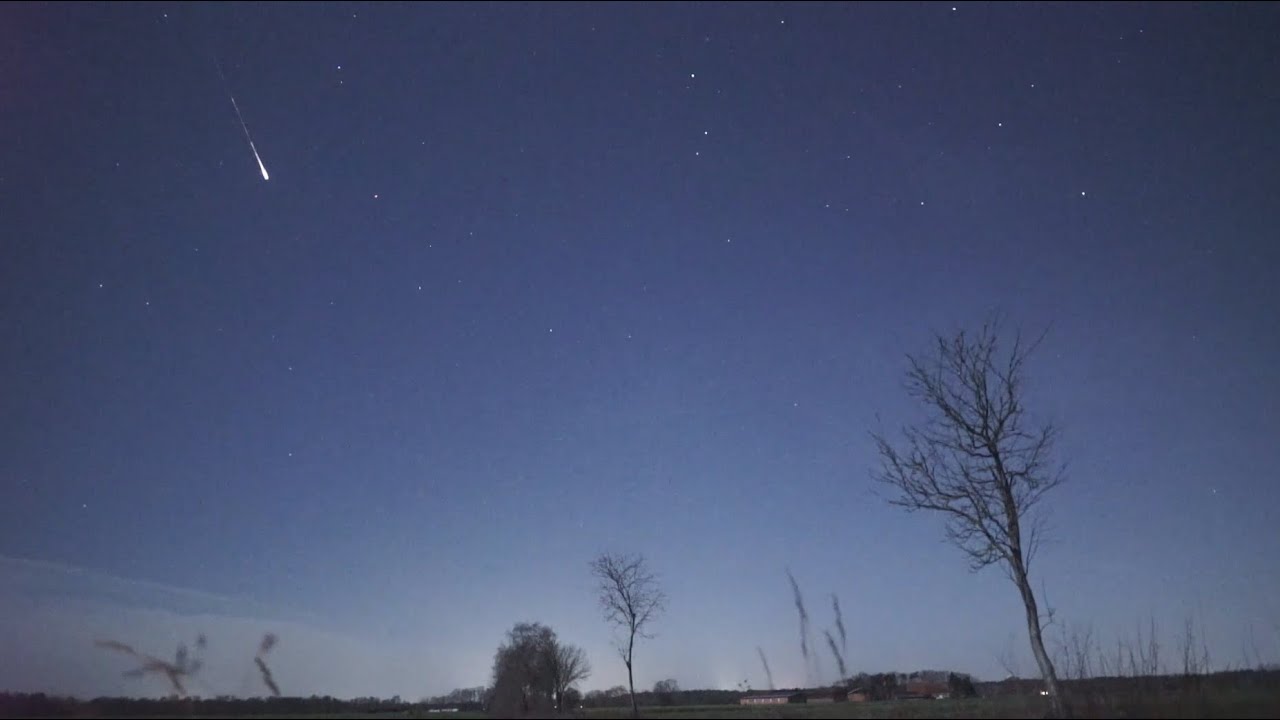
Meteor showers have captivated and inspired humankind for centuries, providing stunning celestial displays and opportunities for scientific observation. They occur when Earth passes through trails of debris left by comets and asteroids, creating bright streaks in the night sky as particles burn up upon entry into the atmosphere. With the next major meteor shower approaching, understanding its significance offers both recreational and educational benefits.
Upcoming Meteor Showers
The most anticipated meteor shower in the upcoming months is the Geminids, which will peak around December 13-14, 2023. This annual event is one of the most prolific showers, producing up to 120 meteors per hour under optimal conditions. The Geminids originate from the asteroid 3200 Phaethon, and they leave bright, multi-coloured trails as they enter the Earth’s atmosphere.
Another notable event is the Quadrantids, which often takes place between January 1 and 6, reaching its peak on the night of January 3-4, 2024. Though short-lived, this meteor shower can deliver around 120 meteors per hour, particularly when viewed from the Northern Hemisphere.
How to Observe Meteor Showers
To make the most of these natural phenomena, it is essential to escape light pollution by finding a dark area away from city lights. Ideal viewing times are typically between midnight and dawn when the sky is at its darkest and several meteors can be observed. Binoculars or telescopes are not necessary, as the meteors can be seen with the naked eye.
In addition to personal enjoyment, observers can contribute to citizen science by reporting their sightings to organisations dedicated to monitoring meteor activity. Applications and websites that track meteor shower peaks and visibility can enhance the experience, guiding stargazers to the best time and location for observation.
Conclusion
Meteor showers provide a spectacular lens through which observers can appreciate the universe’s wonders. With significant events like the Geminids and Quadrantids approaching, both seasoned astronomers and casual stargazers alike have an opportunity to connect with the cosmos. As we prepare for these celestial shows in December and January, it is crucial to spread awareness of these events to foster appreciation for the natural beauty that surrounds us and to encourage responsible stargazing practices.
You may also like