Introduction
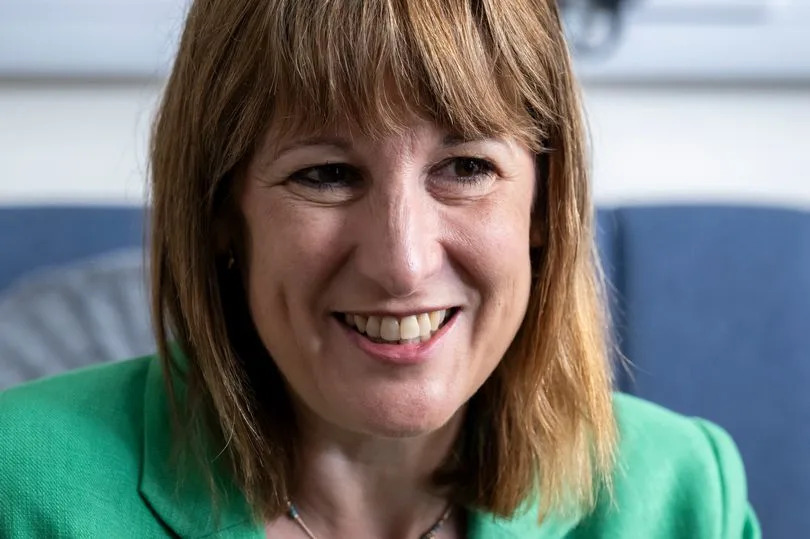
Rachel Reeves, the Shadow Chancellor of the Exchequer, has emerged as a pivotal figure in UK politics, particularly within the context of the Labour Party. As the country navigates economic challenges, her policies and perspectives are increasingly relevant. With the ongoing discussions around inflation, public spending, and economic recovery, Reeves’ role becomes more significant in shaping the Labour Party’s vision for the future.
Background and Political Journey
Born on February 13, 1979, in Lewisham, London, Rachel Reeves studied economics at the University of Oxford. After working in various roles in finance and the Bank of England, she entered politics and was elected as the Member of Parliament (MP) for Leeds West in 2010. Over the years, Reeves has held various positions, including Minister of State for Pensions and Shadow Secretary of State for Business and Industrial Strategy, before being appointed as Shadow Chancellor in 2021.
Recent Developments and Economic Focus
In recent months, Rachel Reeves has been vocal about the pressing economic issues facing the UK, including rising living costs and the need for sustainable growth. She has proposed a range of policies aimed at addressing these concerns—from investments in green technologies to comprehensive support for struggling households. In her speeches and interviews, she emphasizes the need for a strong economic strategy that not only counters current inflation rates but also prepares the UK for future challenges.
Moreover, during the Labour Party Annual Conference in September 2023, Reeves outlined a bold economic vision that includes tax reforms aimed at boosting business investments and support for low-income families. Her approach reflects a balancing act between fiscal responsibility and social equity, aiming to convince the electorate of Labour’s capability to govern effectively.
Public Perception and Political Challenges
Public perceptions of Rachel Reeves have been shaped by her candid and straightforward communication style. Supporters commend her focus on pragmatic economic solutions, while critics occasionally question whether her proposals offer enough substance to compete with ruling policies. The upcoming 2024 general election presents a significant challenge, as Reeves and the Labour Party aim to regain public trust amidst a backdrop of ongoing social and economic difficulties.
Conclusion
As Rachel Reeves continues to shape her narrative as Shadow Chancellor, her policies will be paramount in guiding the Labour Party’s strategy moving forward. The relevance of her role grows as the UK confronts economic uncertainties. Observers are keen to see how her approach to taxation and fiscal policies will influence not only the Labour Party’s platform but also the broader political landscape leading up to the next elections. Her ability to resonate with both the party base and the general public could prove crucial in establishing a credible alternative to the current government.
You may also like