Introduction
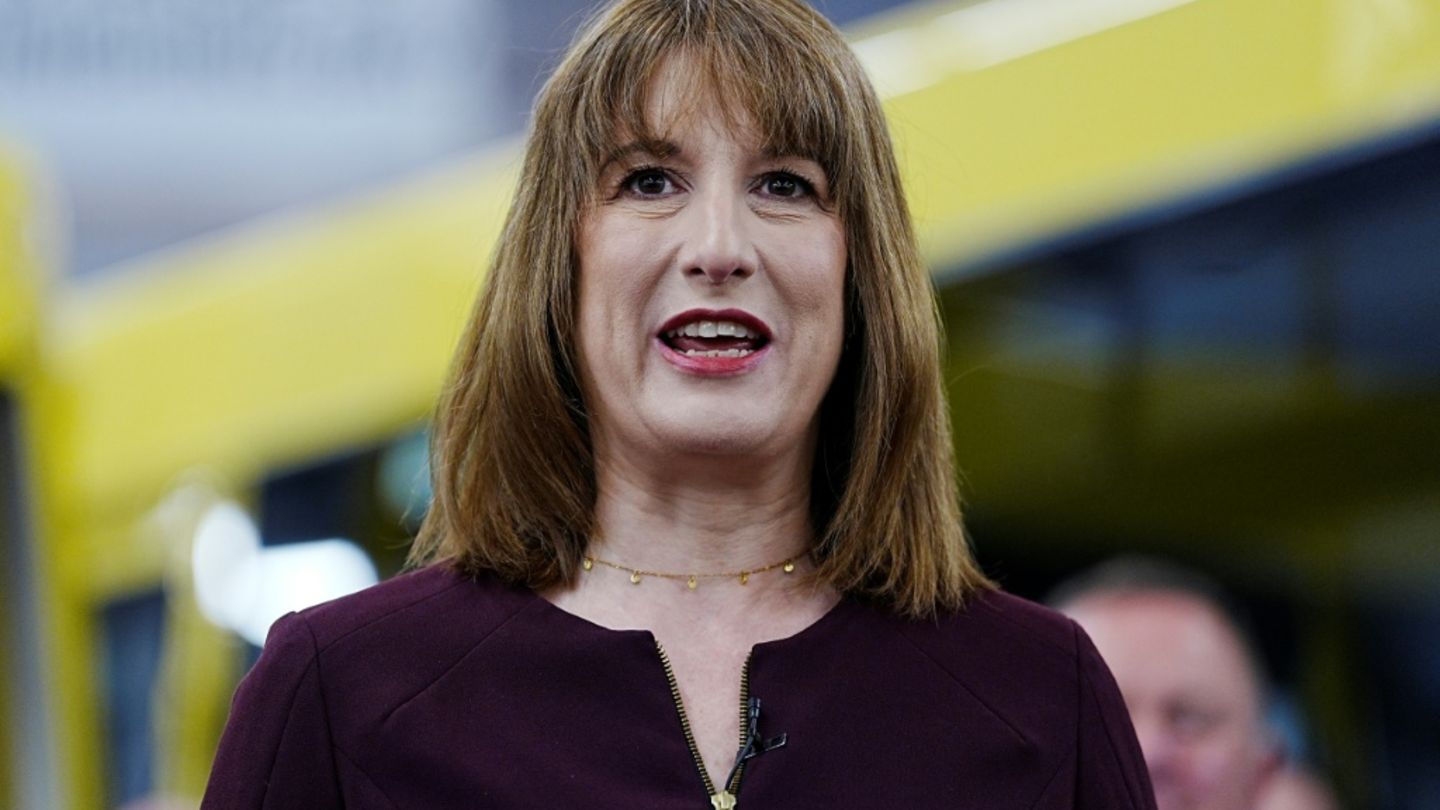
Rachel Reeves, the Shadow Chancellor of the Exchequer, has emerged as a significant figure in UK politics, particularly as the nation grapples with economic challenges. Her role has gained urgency amid the cost-of-living crisis, inflation, and a potential recession. Understanding her policies and approach is crucial for voters looking to navigate the complex political landscape.
Background and Career
Born on February 13, 1979, in Lewisham, London, Rachel Reeves studied at the University of Cambridge and later pursued a career in finance and public policy. Before entering Parliament in 2010 as the MP for Leeds West, she worked for the Bank of England and as an economist at the Bank of Scotland. Her expertise in economics has shaped her understanding of fiscal policies and their impact on everyday lives.
Political Stance and Key Policies
As Shadow Chancellor, Reeves has been vocal about the need for government accountability and sustainable economic policies. With rising inflation affecting household budgets, she has proposed measures aimed at easing the financial burden on families, including increasing support for vulnerable groups and investing in public services. Reeves advocates for a fair taxation system, ensuring that wealthier individuals and corporations contribute their fair share. This stance contrasts sharply with the current government’s fiscal policies, which she characterises as favouring the wealthy.
Recent Developments
In recent months, Reeves has been actively responding to the government’s economic strategies, particularly in the wake of the COVID-19 pandemic and global economic pressures. She has called for a comprehensive plan to stimulate growth, focusing on green energy initiatives and digital transformation to create jobs and drive innovation. In speeches and interviews, she has underscored the importance of a strong economy that works for everyone, not just the privileged few.
Conclusion
Rachel Reeves’ role as Shadow Chancellor places her at the forefront of key economic debates in the UK. As the Labour Party positions itself for the next general election, her policies and leadership style will be critical for the party’s appeal to the electorate. Observers suggest that her vision could resonate well with voters, particularly those feeling the squeeze from rising living costs. The significance of Reeves’ contributions cannot be understated as the UK seeks to recover and rebuild in the coming years.
You may also like