Introduction
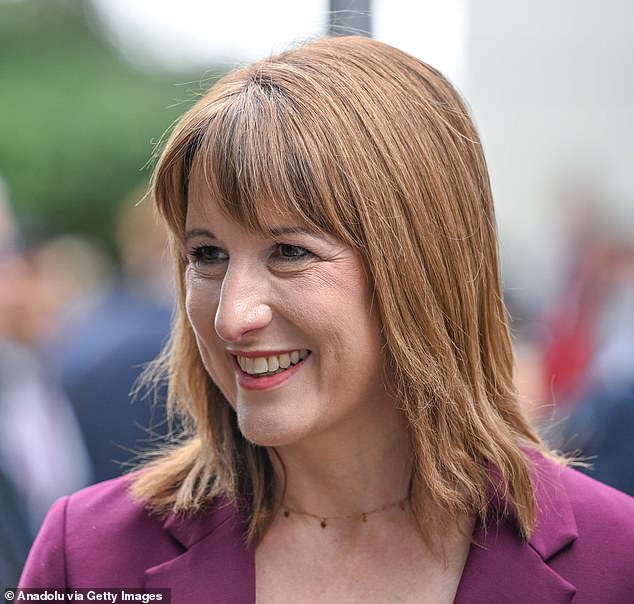
Rachel Reeves has emerged as a significant figure within the UK political landscape, recently gaining prominence as the Shadow Chancellor of the Exchequer. As the first woman to hold this pivotal role in the shadow cabinet, her journey reflects the increasing representation of women in politics. Reeves, who has served as the Member of Parliament (MP) for Leeds West since 2010, has positioned herself as a champion of economic reform and social justice.
Political Career and Milestones
Reeves’ political journey began after earning a degree in economics and her experience working at the Bank of England and the Bank of America has shaped her understanding of financial matters. She became deeply involved in Labour’s economic policy formation. In 2021, she was appointed as Shadow Chancellor following the resignation of Anneliese Dodds, which marked a turning point in her career.
Reeves’ approach to economics is characterised by a focus on fiscal responsibility while pushing for significant investments in public services. Her advocacy for a Green New Deal aims to tackle climate change while creating jobs. Recently, she has challenged the government’s economic strategy, particularly around inflation management and cost-of-living issues. Reeves has called for targeted support to alleviate the financial strain on families and has proposed measures to enhance job security for workers across various sectors.
Recent Developments and Relevance
In the wake of recent economic challenges, Rachel Reeves’ position has become even more pivotal. With rising inflation rates and economic instability, she has stepped up to clarify Labour’s stance on addressing these issues. As part of her campaign, Reeves has been vocal about the need for long-term investment in infrastructure and education to stimulate growth. Furthermore, her discussions around improving the National Health Service (NHS) funding reflect her commitment to public health, an issue of paramount importance to voters.
Conclusion
Overall, Rachel Reeves continues to solidify her role as a defining leader in the Labour Party and UK politics. Her policies and vision resonate with many who seek a more equitable economic landscape, particularly in challenging times. As the next general elections approach, her influence will likely grow as she represents the party’s economic priorities. Voters may look to her leadership as a potential pillar of stability and change in the Labour agenda, making her a relevant figure in the ongoing discourse regarding the future of Britain’s economy.
You may also like