Introduction
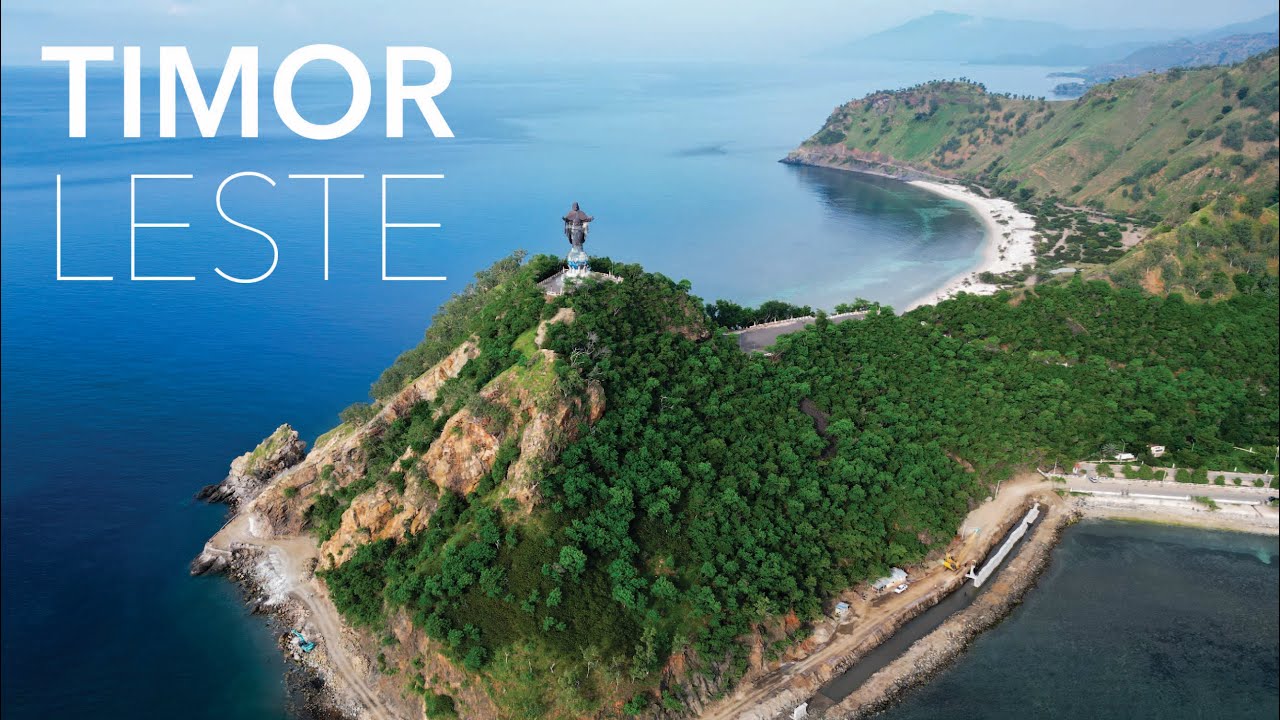
Timor Leste, also known as East Timor, is a small Southeast Asian nation that has gained increasing global attention due to its recent economic and political developments. As it continues to navigate its post-independence journey, the country is becoming an important player in regional stability and environmental sustainability, making it a significant topic for international observers.
Current Economic Landscape
Timor Leste has been experiencing steady economic growth, primarily driven by its oil and gas sector. According to the World Bank, the nation’s GDP growth was estimated at around 5.5% in 2022, attributing much of this growth to ongoing investments in infrastructure and agriculture. The government has prioritised diversifying its economy to reduce over-reliance on oil revenues, which accounts for a substantial portion of the national budget.
Political Developments
In recent months, Timor Leste’s political landscape has been marked by efforts to strengthen democratic processes. The 2024 parliamentary elections are set to play a pivotal role in shaping the future of governance in the country. The electoral commission has been working diligently to ensure fair and transparent elections, enhancing public trust and participation. Additionally, the recent establishment of a coalition government has been viewed positively, as it aims to bring stability and promote inclusive governance.
Environmental Initiatives
Timor Leste has also been making significant strides in addressing environmental issues. The government has committed to implementing policies that tackle climate change and promote sustainability. The country has become involved in various international agreements focused on reducing carbon emissions and protecting biodiversity. One noteworthy initiative is the reforestation programme aimed at combating deforestation and restoring natural habitats, which has seen active participation from local communities.
Conclusion
The developments in Timor Leste are crucial for both the local population and the broader regional context. As the nation continues to evolve economically and politically, its commitment to democratic governance and sustainable development will be vital for its future stability. Observers predict that with ongoing international support and cooperation, Timor Leste can transition from a post-conflict nation to a vibrant, sustainable state that contributes to regional stability and prosperity. For readers interested in geopolitical trends and sustainable development, following Timor Leste’s journey is increasingly significant.
You may also like