Introduction
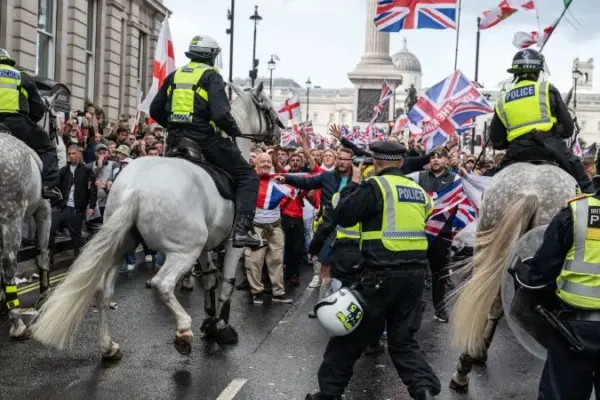
London has long been a hub for political activism and public demonstrations, reflecting the city’s rich history of civic engagement. Recently, a series of protests have emerged, capturing public attention and bringing to light critical social issues such as climate change, racial equality, and government policies. Understanding the significance of these protests is vital, as they not only represent individual voices but also the collective concerns of the community.
Overview of Recent Events
On Saturday, October 7th, thousands gathered in central London to protest against the government’s proposed cuts to public services, which many argue disproportionately affect the most vulnerable in society. Organised by a coalition of grassroots groups, the demonstration aimed to raise awareness about the importance of accessible healthcare, education, and social care in the midst of a challenging economic climate.
In addition to these protests, environmental activists have also been taking to the streets. Earlier this month, members of major environmental organisations demonstrated outside Parliament to demand stronger government action on climate change. Armed with banners and loudspeakers, they called on policymakers to take immediate steps to combat the impending climate crisis, linking the issue to social justice and economic equality.
Significance and Impact
The recent protests have ignited conversations across various media platforms, reflecting a broader discontent among citizens regarding government policies. According to a survey by the UK-based polling organisation YouGov, approximately 68% of respondents believe that the government should prioritise funding for public services over tax cuts. This statistic underscores the public yearning for reform and accountability in governance.
Moreover, the participation in these demonstrations has spurred discussions on the effectiveness of protests as a tool for change. Historical precedents show that protests can lead to meaningful policy changes. For example, the Militant demonstrations in the 1980s played a crucial role in reshaping social policies in the UK.
Conclusion
As we move forward, the importance of these protests cannot be understated. They serve not only as a medium for individual expression but also as a platform for collective action. With public sentiment shifting towards a demand for accountability and change, the future of civic engagement in London appears poised for further evolution. Observers and participants alike will be keen to see how the government responds to the pressing concerns highlighted by these protests, which are likely to continue shaping the political landscape in the months to come.
You may also like