Introduction
Meteor sightings have captivated the human imagination for centuries, with their sudden brilliance lighting up the night sky. Recently, Scotland has become a focal point for meteor activity, drawing significant public interest and media attention. Understanding these meteoric events is crucial, as they not only enhance our appreciation of nature but also offer insights into celestial phenomena. This year’s heightened meteor activity has prompted experts to discuss their origin, potential impacts, and what observers can expect in the future.
Recent Events and Sightings
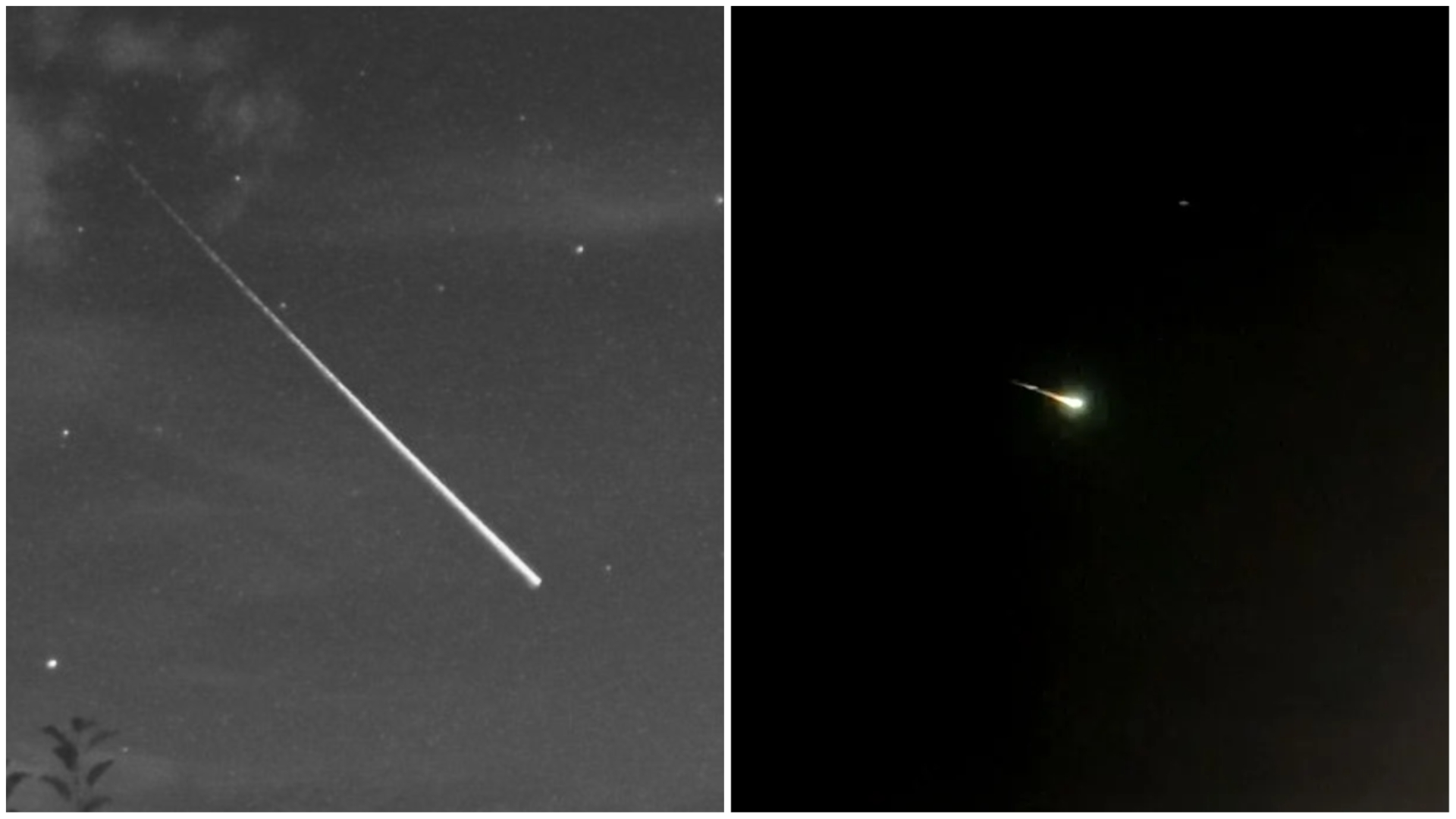
In mid-October 2023, several eyewitness reports emerged from across Scotland, describing bright streaks across the sky during the evening hours. These occurrences, identified as meteors, were part of the annual Orionid meteor shower, which is known for featuring fast and bright meteors. Astronomers indicated that the peak of this year’s shower occurred on the night of October 21, with perfect viewing conditions in many parts of Scotland due to clear skies.
The UK Meteor Network reported a spike in sightings, especially in rural areas where light pollution is minimal. Glasgow, Edinburgh, and the Highlands were among the most mentioned locations, with social media filled with images and videos of the meteors as they blazed through the atmosphere.
The Science Behind Meteor Showers
Meteors, often referred to as ‘shooting stars,’ occur when tiny particles from comets or asteroids enter Earth’s atmosphere at high speeds. As these particles collide with the atmosphere, they heat up and emit light due to friction. The Orionid meteor shower, specifically, originates from Halley’s Comet, which leaves a trail of debris that Earth passes through each October.
Experts from the Royal Astronomical Society explain how these events not only provide stunning visual displays but also the opportunity for scientific research. Understanding the size and composition of the meteors can help scientists learn more about the history of our solar system.
Conclusion
The recent meteor sightings across Scotland have painted the night sky with wonder, prompting individuals to engage more with astronomy. As the phenomena of meteors continue to be studied, communities are encouraged to keep an eye out for these ethereal events. Future meteor showers promise similar displays, and local astronomy clubs are keen to hold viewing events to facilitate public engagement. With the rise in citizen science efforts, amateur astronomers can also contribute valuable data about meteor activity. These celestial occurrences remind us of the mysteries of the universe, reinforcing humanity’s longstanding fascination with the stars.
You may also like