Introduction
In today’s digital era, corporate security is paramount, and the recent cyber attack on Renault has underscored the vulnerabilities even major automotive manufacturers face. As a global leader in the automotive industry, Renault’s operations and confidential data are critical not only to the company but also to its stakeholders and customers. The attack raises significant concerns about the security protocols in place within the organisation and the broader implications for the industry.
The Cyber Attack Incident
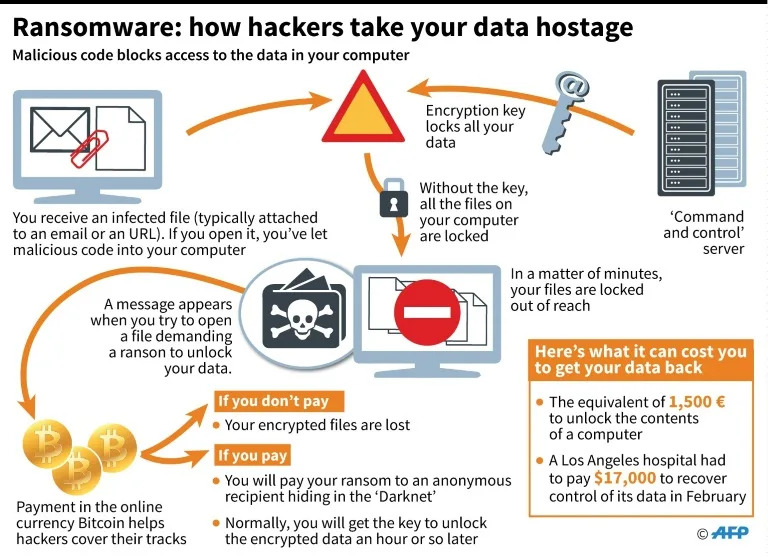
In early October 2023, Renault confirmed that it had fallen victim to a sophisticated cyber attack that disrupted operations at multiple sites. Initial reports indicated that hackers had potentially accessed sensitive employee and customer data, prompting an immediate investigation. Renault took measures to protect its internal systems, including shutting down certain operations and notifying relevant authorities.
The company’s IT departments, alongside cybersecurity experts, are working to ascertain the scope of the breach and fortify their systems against future attacks. Renault has initiated a comprehensive review of its cybersecurity policy to enhance its defenses amidst rising threats in the digital landscape.
Impacts on Operations and Stakeholders
The cyber attack has had immediate repercussions on Renault’s day-to-day operations. Production slowdowns were reported at factories, particularly affecting supply chains already strained due to global market conditions. Employees faced challenges accessing certain systems, leading to uncertainty regarding job security within the company.
Stakeholders and customers are also feeling the ripple effects. Investors are cautious, observing how Renault navigates this crisis and implements changes to ensure future security. Public perceptions will be crucial as well; maintaining customer trust is essential for Renault’s reputation. The automaker is committed to transparency throughout the recovery process, allowing stakeholders insight into their response efforts.
Conclusion: A Call for Enhanced Security Measures
The Renault cyber attack serves as a stark reminder of the increasing prevalence of cyber threats facing major corporations worldwide. As digital threats evolve, so must the strategies organisations employ to safeguard their data and operations. Analysts anticipate that the automotive sector will re-evaluate security investments and adopt more robust cybersecurity frameworks.
This incident could prompt regulatory changes regarding data protection and operational standards within the corporate landscape. For consumers, awareness of how companies manage cybersecurity risks will become more important when choosing automotive products in the future. The future for Renault and the automotive industry hangs in the balance as companies adjust to an increasingly challenging cyber environment.
You may also like