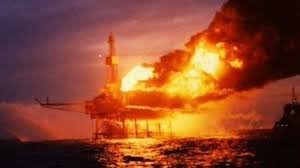
Introduction to the Piper Alpha Disaster
The Piper Alpha disaster, which occurred on July 6, 1988, off the coast of Aberdeen, Scotland, stands as one of the deadliest offshore oil rig disasters in history. The tragedy not only led to the loss of 167 lives but also had profound implications for safety regulations in the oil and gas industry. This incident serves as a stark reminder of the importance of safety protocols in industrial operations.
The Events Leading to the Disaster
The Piper Alpha platform was operated by Occidental Petroleum and was undergoing maintenance work when a series of catastrophic events unfolded. Initially, a gas leak occurred due to a failure in the pressure safety valve, followed by a series of explosions and fires that ravaged the platform. As the situation escalated, many crew members were unable to escape the rapidly deteriorating conditions.
Immediate Response and Rescue Efforts
Rescue efforts were complicated by the relentless fire, which engulfed the platform, making it difficult for emergency responders. The Aberdeen Coastguard, along with multiple vessels in the area, mounted a rescue operation, but challenges persisted due to poor visibility and the chaotic nature of the incident. Survivors recount the terrifying experience, with many recalling the desperate attempts to escape the inferno.
Investigation and Regulatory Changes
In the aftermath of the disaster, a public inquiry was launched, led by Lord Cullen. The inquiry revealed numerous failures, including inadequate safety systems, insufficient training, and a lack of effective communication among the crew. As a result, the Cullen Report recommended sweeping changes to offshore oil rig safety protocols, including improved risk assessment, safety management systems, and enhanced training for workers.
Long-Term Implications and Safety Measures
Since the Piper Alpha disaster, the UK offshore oil and gas industry has undergone significant transformations in terms of safety regulations. The Health and Safety Executive (HSE) has established stricter guidelines to prevent similar disasters. Furthermore, the lessons learned from Piper Alpha have influenced safety practices worldwide, prompting the International Maritime Organization (IMO) to adopt revised safety frameworks for offshore operations.
Conclusion: A Lasting Legacy
The Piper Alpha disaster remains a pivotal moment in industrial safety history, serving as a reminder of the potential consequences of neglecting safety protocols. It has fundamentally shaped the approach towards safety in offshore drilling, ensuring that the lessons learned continue to safeguard the lives of workers in the industry. As the oil and gas sector evolves, the legacy of Piper Alpha reminds us of the critical importance of vigilance, preparedness, and innovation in safety practices.
You may also like