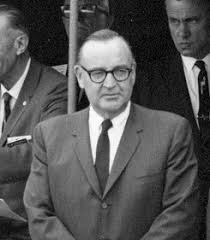
The Importance of Pat Brown in Forensic Science
Forensic science has substantially evolved over the last few decades, with significant contributions from individuals like Pat Brown. Known for her pioneering work in criminal profiling and crime scene investigation, Brown’s methods have transformed how law enforcement approaches crime. Her techniques not only help in solving cases more efficiently but also enhance the accuracy of evidence interpretation, making her a key figure in modern forensic science.
Brown’s Contributions to Criminal Profiling
Pat Brown is widely recognised for developing comprehensive profiling methods that help law enforcement agencies understand the behaviours and motivations of criminals. By analysing crime patterns and psychological factors, she has provided invaluable training to police forces and investigators across the globe. This methodology emphasizes understanding the criminal mind, thereby allowing for more strategic approaches to investigations.
Recent Developments and Challenges
In the past year, Pat Brown has taken her expertise further, integrating technology and social media analysis into her profiling techniques. With the digital age shaping criminal behaviour in new ways, traditional methods alone are insufficient. Brown’s adaptations reflect a proactive response to emerging trends such as cybercrime and domestic terrorism, where profiling must account for complex motivations behind increasingly sophisticated criminal activities.
Various case studies cited by Brown demonstrate how her profiling techniques have led to breakthroughs in high-profile cases. In recent seminars and workshops, she has highlighted the importance of collaborative efforts between technology and traditional investigative methods as key to staying ahead in crime prevention and solving cases quickly.
Implications for Law Enforcement
Brown’s innovative strategies are not without controversy. Critics argue that over-reliance on profiling can lead to wrongful assumptions about suspects. Nevertheless, Brown counters this by advocating for a balanced approach that combines empirical data with behavioural analysis—urging that criminal profiling should not be the sole basis for an investigation but rather a crucial component of a multifaceted approach to crime solving.
Conclusion: The Future of Crime Scene Investigation
The legacy of Pat Brown will undoubtedly shape the future landscape of forensic science and crime scene investigation. As law enforcement agencies strive to adapt to evolving criminal behaviors, her continuous contributions remain essential. Looking ahead, the integration of artificial intelligence and machine learning into her methods holds significant promise for even greater efficiency and accuracy in criminal profiling.
In summary, Pat Brown’s work epitomises the intersection of science and law enforcement, enhancing our ability to understand and combat crime more effectively in an ever-changing environment.
You may also like