Introduction
Spacecraft technology is at the forefront of modern exploration, pushing the boundaries of what is possible in our quest to understand the universe. With recent advancements, spacecraft are becoming more capable than ever, enabling missions that were once thought to be the stuff of science fiction. As humanity looks toward the exploration of Mars, the Moon, and beyond, the innovations in spacecraft technology hold significant importance for both scientific discovery and commercial ventures.
Recent Developments in Spacecraft Technology
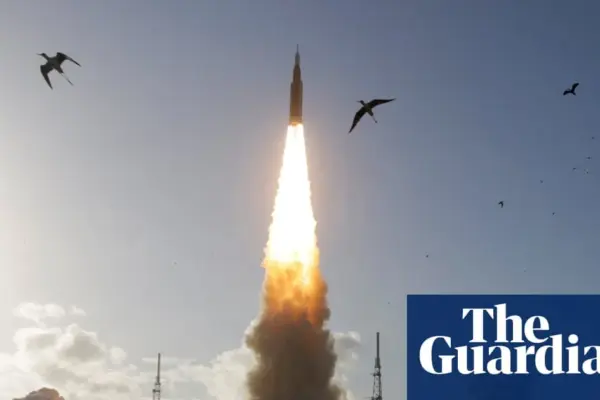
2023 has been a pivotal year for the aerospace industry, with several key developments in spacecraft technology. Notably, NASA’s Artemis program is set to return humans to the Moon by 2024, utilising the Orion spacecraft. This mission aims to establish a sustainable presence on the Moon, serving as a stepping stone for future missions to Mars.
Another major milestone was achieved by SpaceX’s Starship, which completed several successful test flights this year. Starship is designed for deep-space missions and presents the potential for interplanetary travel. Its fully reusable system significantly reduces costs and enhances the feasibility of extended missions in space.
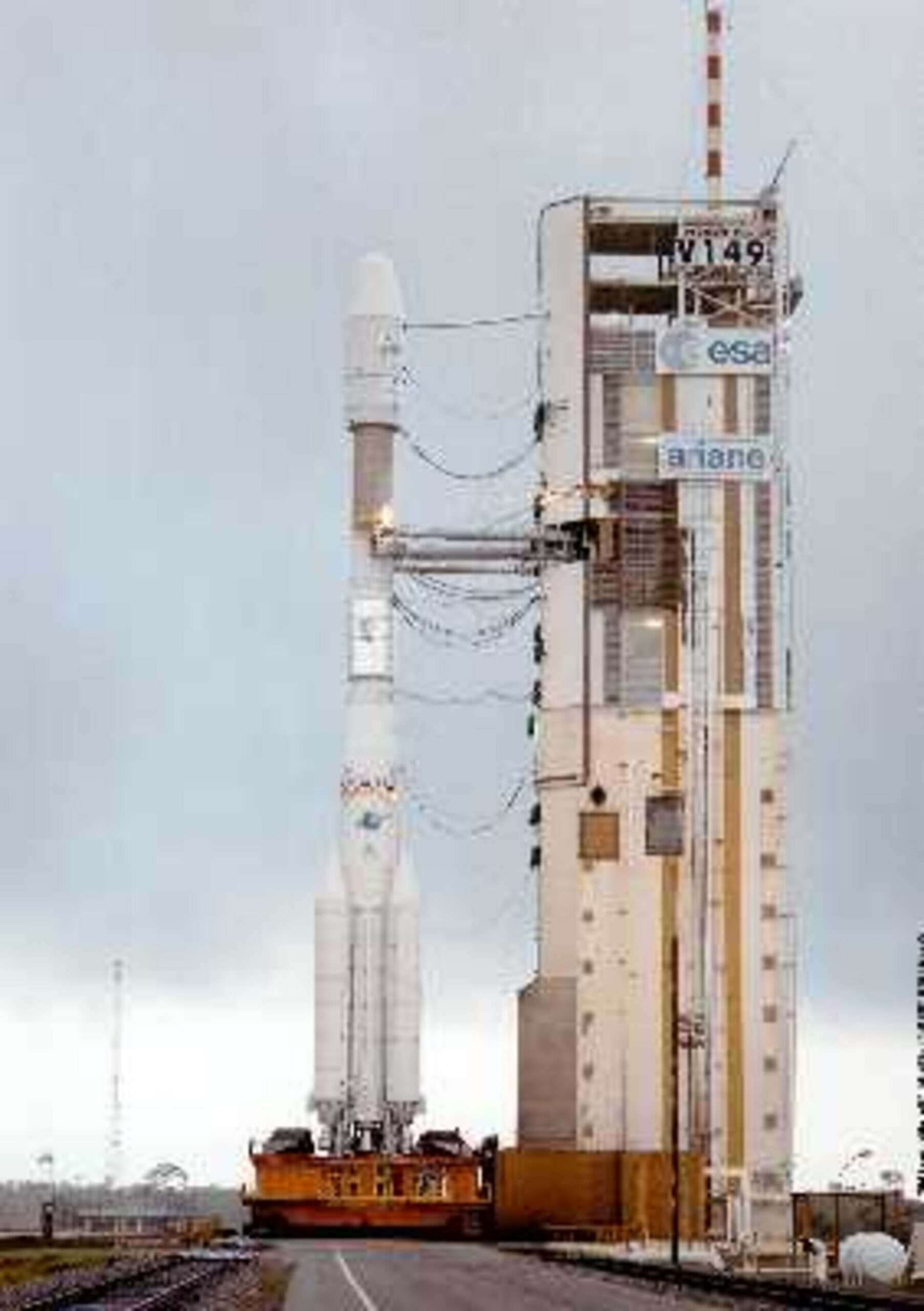
In addition, the European Space Agency (ESA) has been working on the JUICE mission, which is set to launch in 2023 to explore Jupiter’s icy moons. It will provide invaluable data that could shed light on the conditions necessary for life beyond Earth.
The Importance of Spacecraft Innovations
The advancements in spacecraft technology are not only pivotal for exploration but also for Earth-based applications. The growing field of satellite technology continues to benefit from innovations in spacecraft, impacting telecommunications, weather forecasting, and environmental monitoring.
Furthermore, the rise of private aerospace companies has ushered in a new era of space travel. Companies like Blue Origin and Rocket Lab are making space more accessible, redefining the commercial landscape and allowing for a range of purposes from scientific research to tourism.
Conclusion
The future of spacecraft technology is bright, with continuous advancements poised to revolutionise our understanding of space. As nations and private companies collaborate and innovate, the possibilities for exploration and research are expanding rapidly. Readers can expect an invigorating future where the boundaries of our universe become increasingly clarified, thanks to the spacecraft innovations underway today. The coming years will likely see not just further exploration of our Solar System but also the potential for eventual human settlement beyond Earth.
You may also like