Background on the Controversy
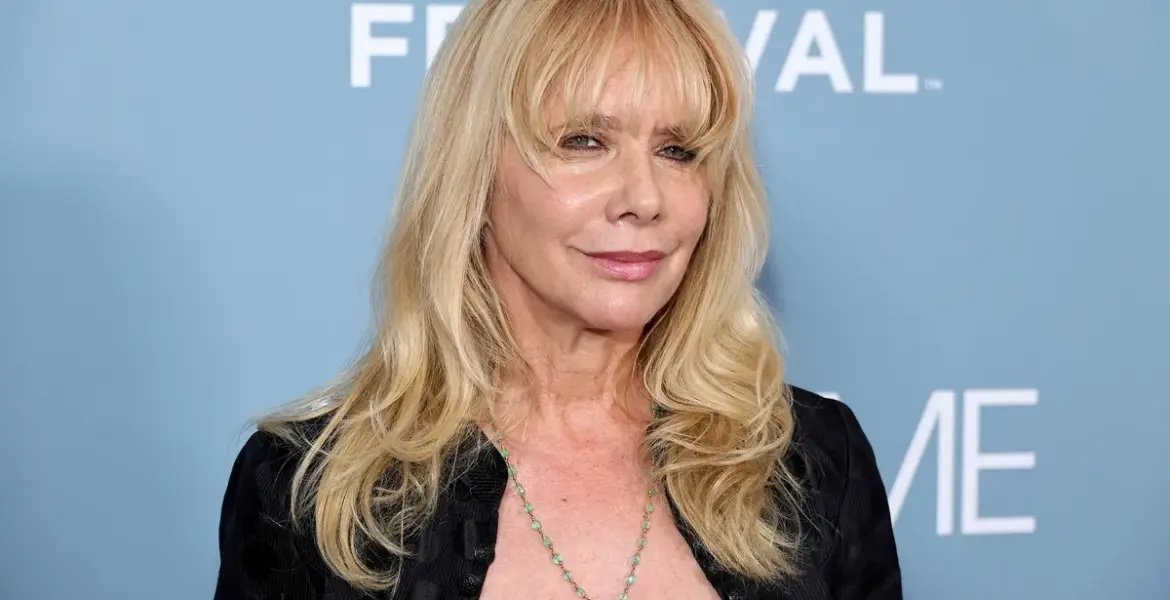
Rosanna Arquette, an actress known for her roles in various films, has recently reignited a longstanding debate surrounding Quentin Tarantino’s use of racial slurs in his work, particularly in the iconic film Pulp Fiction. Before this development, Tarantino’s films had been both celebrated and criticized for their provocative language and themes, with many fans and critics alike often overlooking the contentious aspects of his dialogue. However, Arquette’s recent comments have shifted the conversation significantly.
The Decisive Moment
On March 10, 2026, Arquette publicly criticized Tarantino’s use of the N-word in Pulp Fiction, describing the film as ‘iconic’ but condemning the language as ‘racist and creepy’. Her remarks were picked up by 132 media outlets, amplifying the discourse around the film and its legacy. In response, Tarantino accused Arquette of disrespecting him and the film, stating that her comments reflected a ‘decided lack of class’. This exchange marked a pivotal moment in the ongoing dialogue about race and representation in Hollywood.
Immediate Effects on the Parties Involved
The direct effects of this conflict have been notable for both Arquette and Tarantino. Arquette’s comments have positioned her as a vocal critic of racial insensitivity in film, while Tarantino’s rebuttal has drawn attention to the complexities of artistic expression and the responsibilities of filmmakers. Arquette also claimed that she was the only person involved in Pulp Fiction who did not receive a backend share of the film’s profits, attributing this to Harvey Weinstein, further complicating her relationship with the film’s legacy.
Expert Perspectives on the Shift
Experts in film studies and racial discourse have weighed in on the implications of this conflict. Tarantino’s films, including Pulp Fiction, have often sparked criticism over their use of racial slurs, with some, like actor Samuel L. Jackson, defending the director’s choices as integral to the narratives he constructs. Meanwhile, Jamie Foxx has argued that the use of such language in films like Django Unchained serves a historical purpose, suggesting that the context of the language is crucial to understanding its impact.
Public Reaction and Media Coverage
The media’s extensive coverage of Arquette’s comments and Tarantino’s response has highlighted the polarized opinions surrounding the issue. While some support Arquette’s stance against the use of racial slurs, others defend Tarantino’s artistic freedom. The debate has reignited discussions about the role of language in film and its broader societal implications, reflecting a growing awareness of racial issues in the entertainment industry.
As the conversation continues, the conflict between Rosanna Arquette and Quentin Tarantino serves as a reminder of the ongoing struggle for racial sensitivity in Hollywood. The differing perspectives on the use of racial slurs in film underscore the complexities of artistic expression and the responsibilities that come with it. Details remain unconfirmed regarding the full impact of this exchange on both parties’ careers and the broader industry landscape.
You may also like