Introduction
The recent uptick in Russian military activity around Alaska has drawn significant attention and concern from US defence officials. With geopolitical tensions on the rise, the presence of Russian fighter jets in close proximity to Alaskan airspace raises questions about national security and military readiness.
Increasing Military Presence
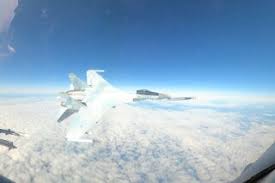
In recent months, the US military has reported numerous encounters with Russian fighter jets operating just off the coast of Alaska. According to NORAD (North American Aerospace Defense Command), these incidents have included the interception of Russian TU-95 bombers and SU-35 fighter aircraft that were flying near the maritime boundary. NORAD has confirmed that they have scrambled fighter jets to monitor and intercept these Russian aircraft, underscoring the importance of maintaining air sovereignty in the region.
Geopolitical Context
The increased activity aligns with a broader pattern of military maneuvers by Russia, particularly in the Arctic and Northern Pacific regions. The situation has been exacerbated by Russia’s ongoing military engagements in Eastern Europe, especially the Ukraine conflict. Analysts suggest that these provocations serve multiple purposes: asserting military might, testing US responses, and reinforcing regional claims amidst shrinking Arctic ice due to climate change.
US Response and Military Readiness
In response to the heightened activity, the US has ramped up its own military presence in Alaska, involving more frequent training exercises and patrols. Officials stress the importance of preparedness, as the region’s strategic significance increases due to its proximity to potential flashpoints. The Pentagon has allocated additional resources and funding to enhance early warning systems and strengthen fighter jet capabilities in the area.
Conclusion
The ongoing presence of Russian fighter jets near Alaska signifies an evolving geopolitical landscape that demands vigilant monitoring and readiness from US forces. As tensions persist and military activities increase in the Arctic, it is essential for policymakers to consider strategies that ensure both deterrence and diplomatic communication. The situation remains fluid, and future developments will dictate the dynamics of US-Russian relations and security in the region.
You may also like